



Summary: Uterine prolapse can also affect young, nulliparous women, not just older, multiparous ones. Lifestyle, heredity, and medical factors contribute, and early awareness, prevention, and non-surgical care are crucial.
There is a common misconception that a uterine prolapse is a problem that only concerns aged, nulliparous women. However, it is a situation where the uterus moves down into the vagina because of loosening pelvic muscles. Quite a few women under the age of 18, even those who are never given birth, may have this problem.
It debunks the misinformation surrounding the issue and implies a set of questions about female health. Finding out that uterine prolapse can occur in a young woman who has never given birth makes us consider different ways of prevention, awareness and care.
Let’s Break the Myths from Reality
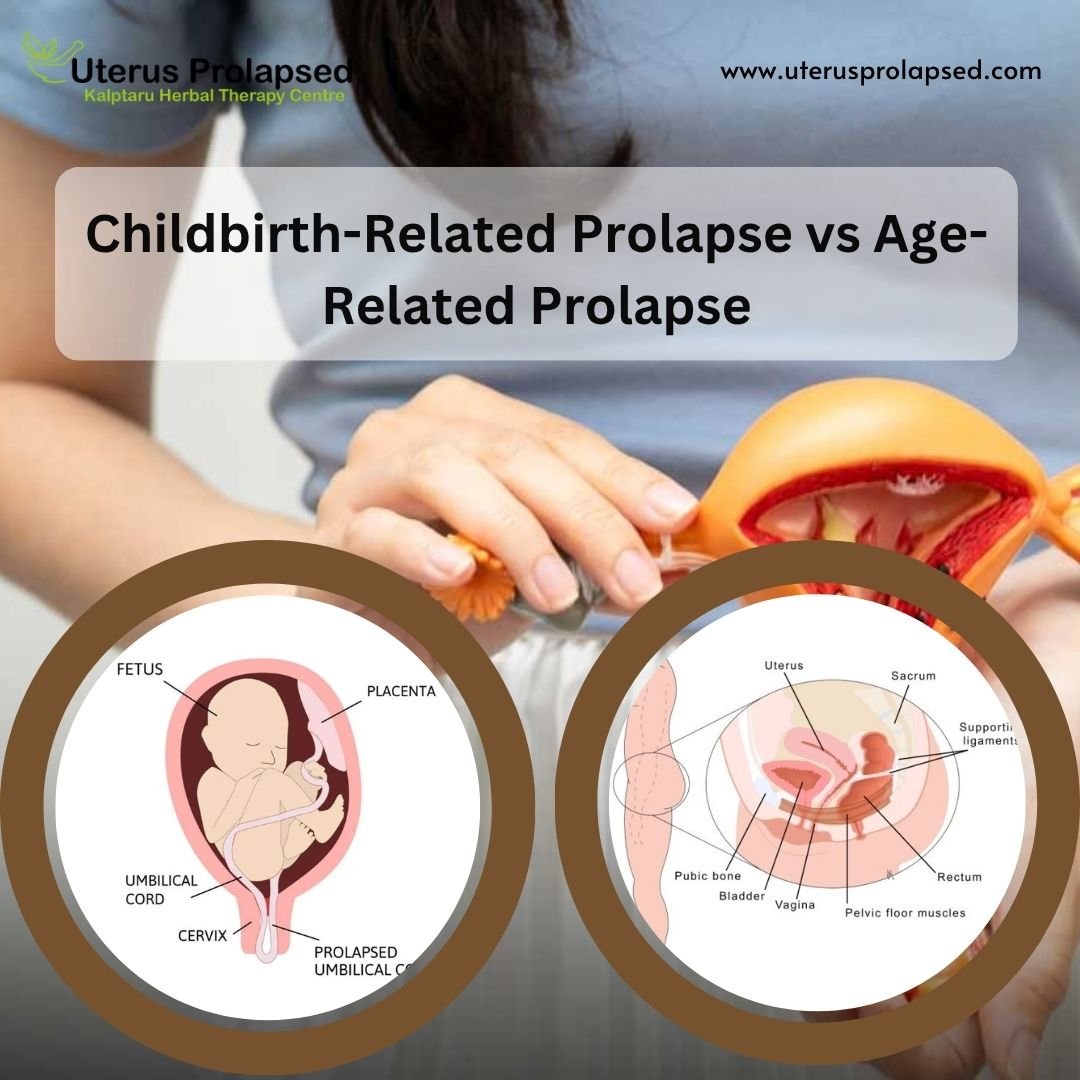
When the uterus drops down into the vaginal canal due to pelvic muscles and ligaments that are weak, a uterine prolapse is said to have happened. Uterine prolapse is commonly blamed on old ladies who have been pregnant several times. Is the statement nevertheless correct all the time? Let us separate the myth from the fact.
Myth: Only elderly women who have had several children can develop uterine prolapse.
Fact: Prolapse can happen to the young women and even those who haven’t given birth, due to factors like lifestyle, heredity, and medical conditions.
Myth: The main cause is pregnancy.
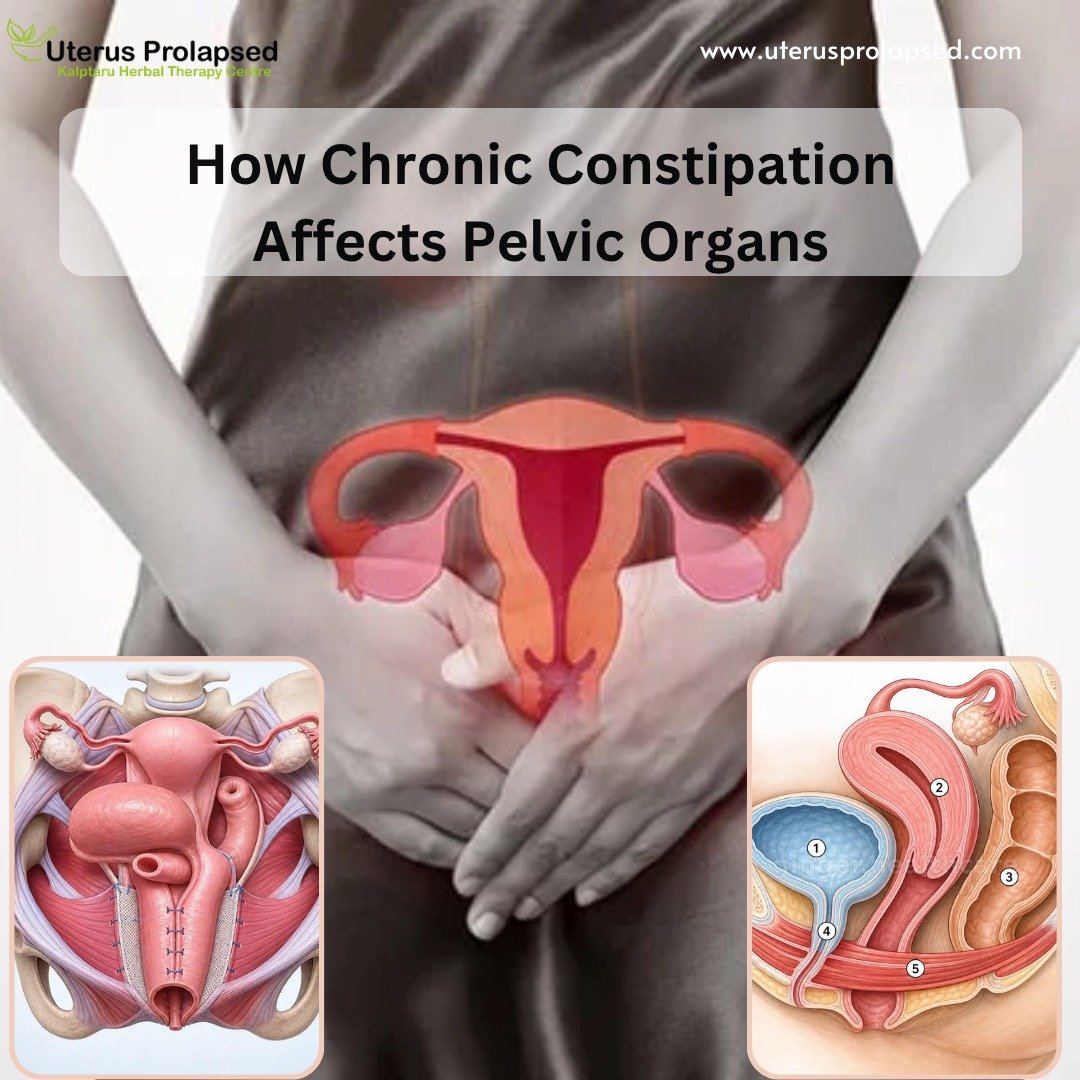
Fact: Without proper support in the pelvis, along with activities such as heavy lifting, being overweight, and even chronic constipation, the formation of prolapse is inevitable.
Myth: The symptoms are always very pronounced.
Fact: Symptoms of early stages of prolapse may include slight discomfort, a feeling of heaviness, and urinary issues, which are easily overlooked, especially in young women.
Myth: Surgery is the only option.
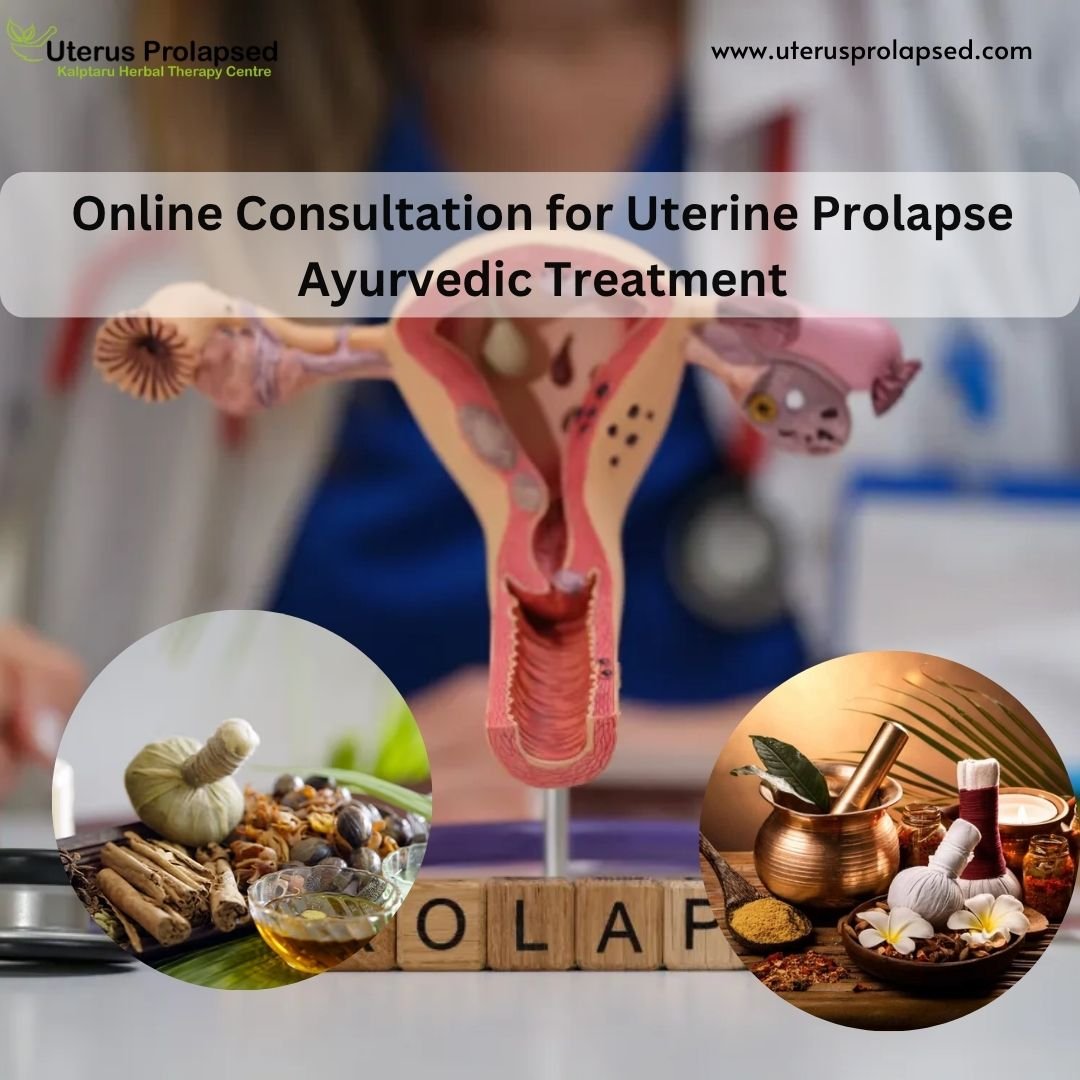
Fact: Several non-invasive methods such as pelvic exercises, herbal therapy, and a change in lifestyle can be of assistance.
Myth: It hardly happens to nulliparous women.
Fact: The number of such cases keeps on rising and that is why there is a need for awareness and early management.
The Bottom Line
Uterine prolapse is a condition that can occur in any woman, not just aged or multiparous ones. It can also happen to young and nulliparous women as a result of lifestyle, heredity, or medical factors. First of all, conscious preventive care and non-surgical treatment are of great importance. Identifying the faintest signs of sufficiency can lead to a successful treatment of prolapse which is favorable for the maintenance of pelvic health in the long term and general body health.
Frequently Asked Questions
Q1. What is uterine prolapse?
Ans: Uterine prolapse occurs when pelvic muscles weaken, causing the uterus to slip down into the vaginal canal.
Q2. Can younger women experience uterine prolapse?
Ans: Yes, younger women, even under 18, can have uterine prolapse due to genetic or lifestyle factors, not just aging.
Q3. Is uterine prolapse only in women who have given birth?
Ans: No, nulliparous women may experience prolapse due to weak pelvic muscles, connective tissue disorders, or hormonal imbalances.
Q4. What are the common symptoms in younger women?
Ans: Symptoms include pelvic pressure, discomfort, lower back pain, urinary issues, and visible bulging in the vaginal area.