



Contents
Summary:
A weak pelvic floor may lead to prolapse conditions: bladder (cystocele), rectum (rectocele), or uterus (uterine prolapse). Ayurveda at Kalptaru Centre offers natural, effective treatment with lasting results.
When you have a healthy pelvic floor, it will be easier to support your organs like the bladder, uterus, and rectum in their place. If these muscles weaken, then it can be the reason for several conditions, such as uterine prolapse, cystocele, or rectocele. Some people think that these conditions are the same, but there are various differences between them.
In this web blog, we will discuss some of the factors that make them different from each other. Read it tell the end to know everything about them.
What Make Them Different From Each Other?
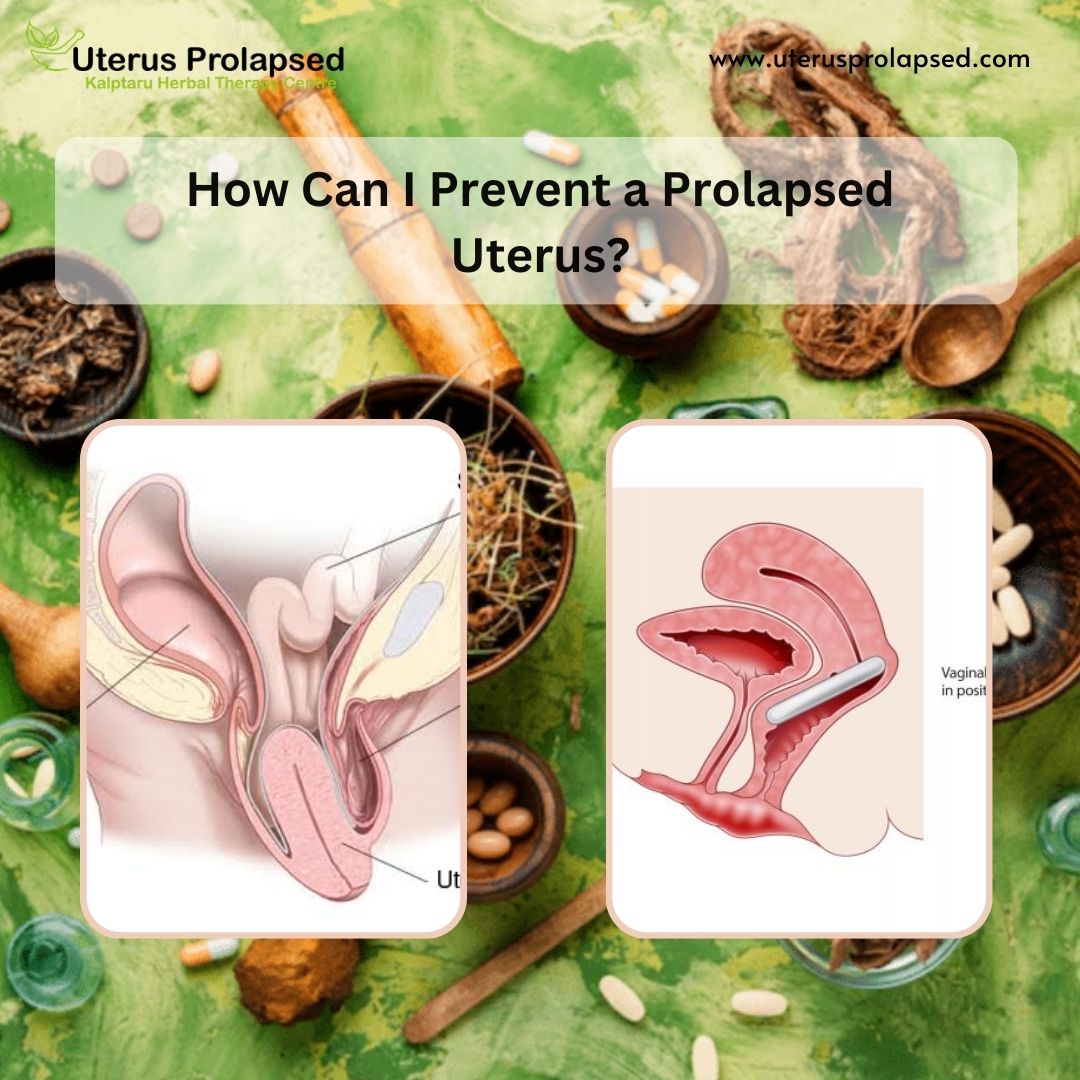
Pelvic organ prolapse occurs when the pelvic organ-supporting muscles and tissues become weakened. This weakness enables various organs to sag or bulge into the vagina. The primary forms are cystocele, rectocele, and uterine prolapse. Although they are often indistinguishable, each involves a different organ.
- Cystocele
- The bladder drops down.
- Causes problems with urination.
- Can feel like heaviness in the vagina.
- Rectocele
- The rectum pushes forward.
- Makes bowel movements difficult.
- It can create pressure or bulging at the vaginal opening.
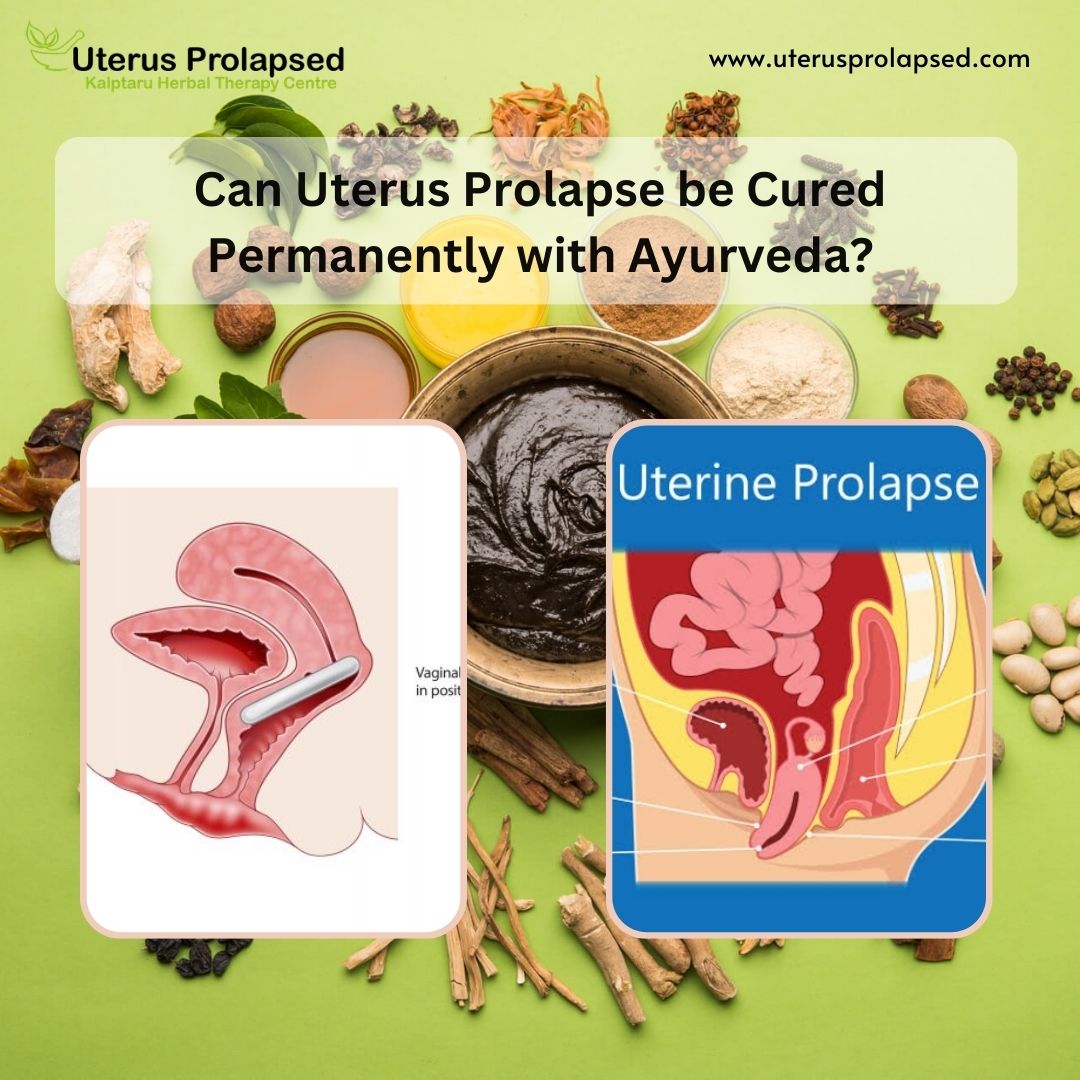
- Uterine Prolapse
- The uterus slides downward.
- Leads to a visible bulge or pelvic heaviness.
- Can cause discomfort during daily activities.
To Wrap Up
There are various differences between uterine prolapse, cystocele, and rectocele. The only thing that is similar in these three conditions is that they impact the pelvic region. To know about these conditions helps you to get the right condition on time. Contact Kalptaru Herbal Therapy Centre to get a permanent cure naturally through Ayurveda. Our Ayurvedic medicine is effective and gives 100% positive results against the condition. Try it by yourself.
Questions That Are Frequently Asked
Q1. What are the four stages of uterine prolapse?
Ans: Uterine prolapse has four stages, from mild dropping of the uterus to complete protrusion outside the vagina, causing increasing discomfort, pressure, and difficulty with daily activities.
Q2. What is the best treatment for uterine prolapse?
Ans: Ayurveda has found the best treatment to cure uterine prolapse without any harmful side effects. It can prevent it from recurring and improve overall well-being.
Q3. What happens if uterine prolapse is left untreated?
Ans: If uterine prolapse is left untreated, it may cause pain, urinary problems, infections, difficulty in intercourse, and worsening prolapse, affecting daily life and health.
Q4. What should you not do in uterine prolapse, cystocele, and rectocele?
Ans: Avoid lifting heavy objects, straining during bowel movements, ignoring symptoms, standing too long, delaying treatment, and doing high-impact exercises that increase pelvic pressure.