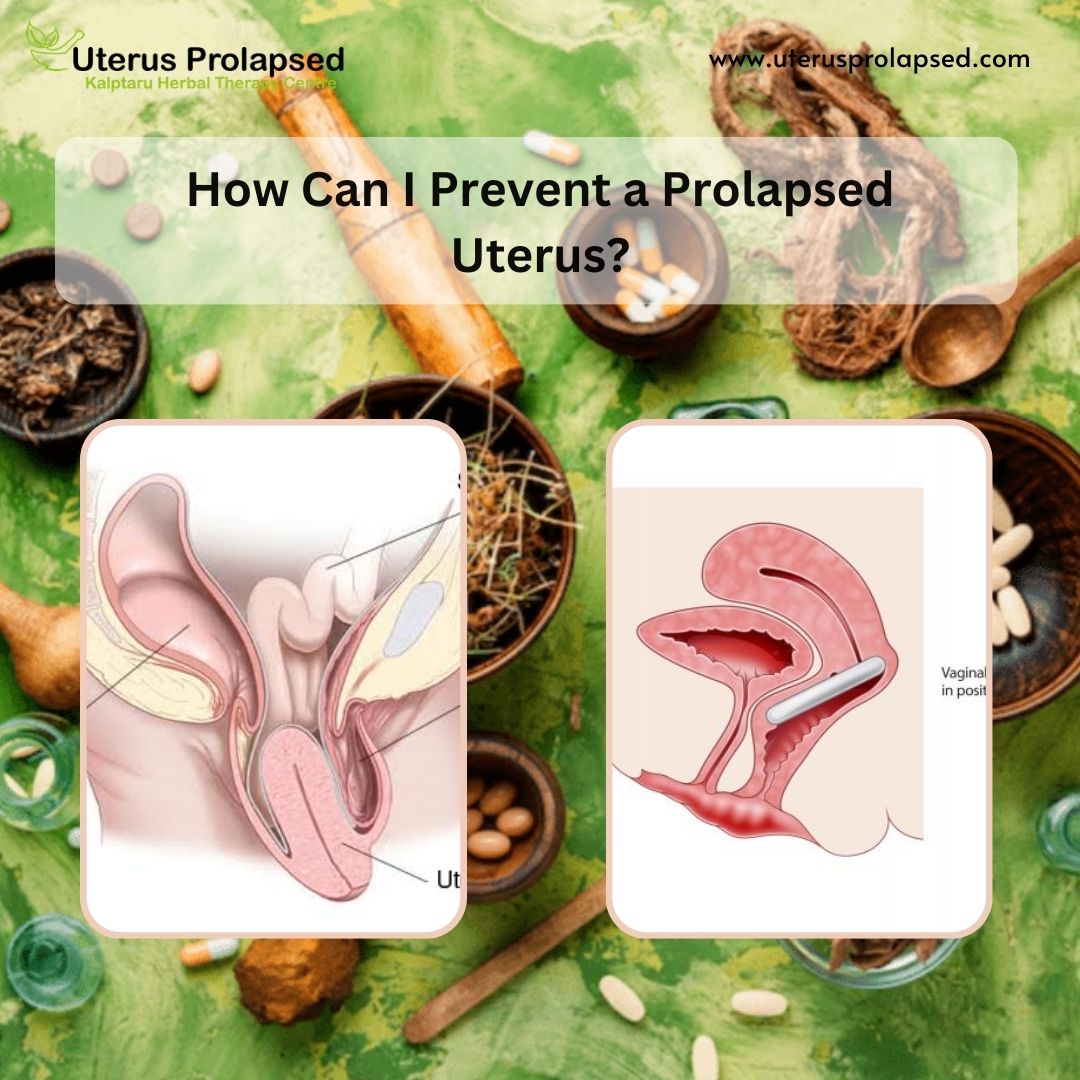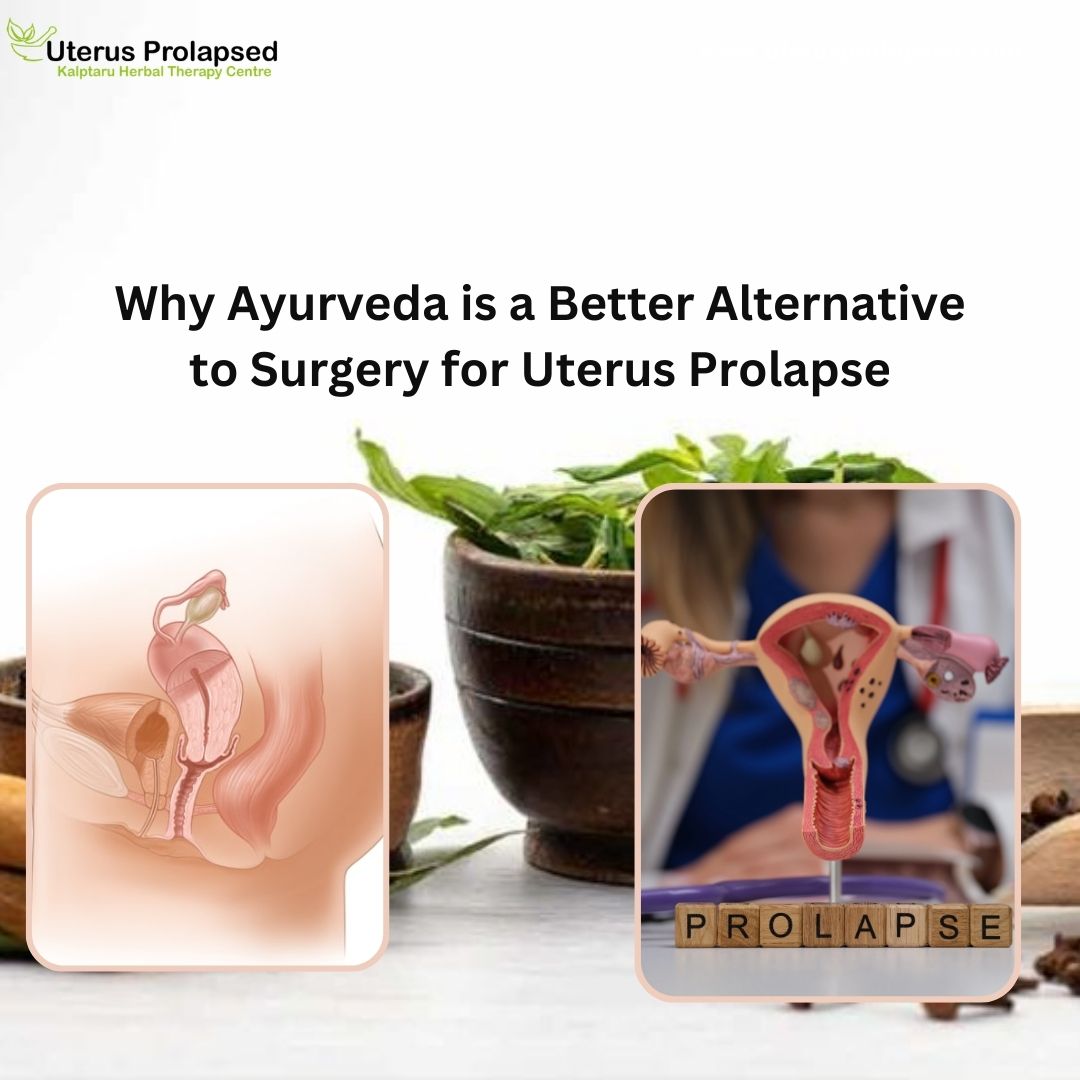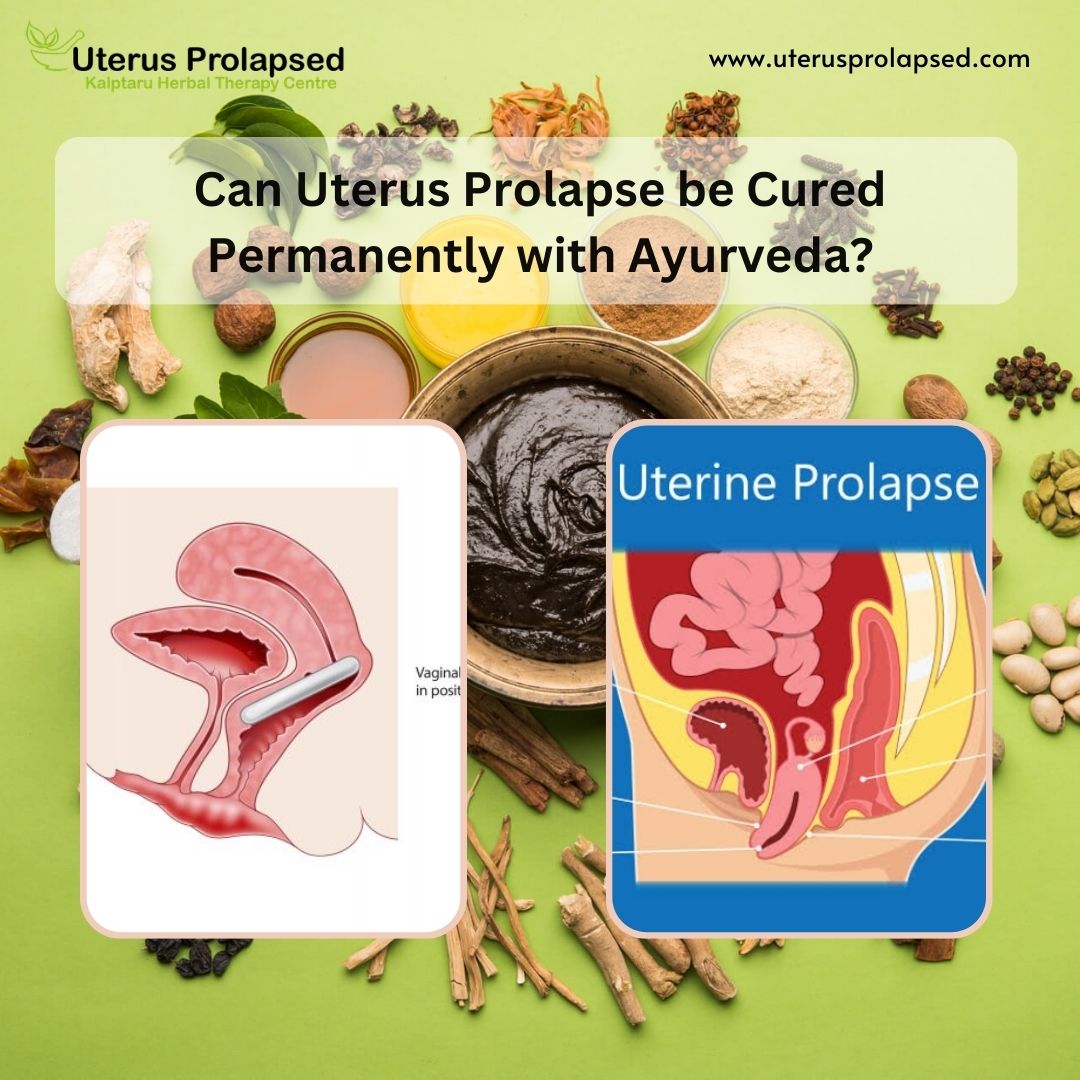




Summary: Early-stage uterine prolapse can be managed naturally through timely diet changes, gentle exercises, and healthy habits, strengthening pelvic muscles, reducing discomfort, preventing progression, and often avoiding surgery.
Small daily discomforts are most of the time quite easy to overlook, however, they could be very significant signs that come from the body. In the early stages of uterus prolapse, the disease is of a small intensity and it is more receptive to natural remedies as opposed to later stages that may need operations.
By means of proper nutrition, soft exercising, and good lifestyle habits, the human body can become strong again. Interventions at the early stage of the condition without the use of surgical methods can delay the development of the disease as well as elevate the general feeling of being comfortable.
Understanding Early Stage of Uterus Prolapse
Uterine prolapse at the initial stages is usually asymptomatic. Such a condition results from the thinning of the pelvic muscles due to factors such as delivery, aging, lifting something heavy or even a persistent cough. The symptoms in the earliest stage are: feeling of heaviness in the pelvis, slight pain, and changes in urination. By taking action in the first place, one can repair muscles, delay the disease, and avoid the surgery. Alterations in your way of living can have a great impact.
Role of Diet and Lifestyle Changes To Reverse The Condition
Small daily habits can still greatly influence the situation if it is only at the early stage. Proper nutrition and easy lifestyle alterations work to lessen the load on the pelvic muscles and facilitate their healing process without the need for an operation.
- Patients should consume more dietary fiber-rich foods such as fruits, vegetables, and whole grains in order to prevent constipation and straining.
- Water intake of an adequate amount keeps the digestive process regular and the tissue well-nourished.
- To some extent, pelvic floor exercises that are gentle can help alleviate muscle weakness.
- Keeping a normal weight is one of the ways to lessen the pelvic area’s pressure.
- In addition, heavy lifting, long standing, and stress should be avoided if one wishes to prevent the condition from becoming worse.
To Bring It All Together
Usually, an initial stage uterine prolapse that happens has a chance of being controlled biologically if the right care is given in time. Minor diet modifications, light exercises, and good daily habits are a great help to the muscles and make one comfortable. Taking steps immediately keeps the development at a standstill, alleviates pain.
Frequently Asked Questions
Q1. Can diet really help in early-stage uterine prolapse?
Ans: Yes, a balanced diet improves muscle strength, digestion, and hormonal balance, helping the body support pelvic organs naturally over time.
Q2. Which foods are best for managing early uterine prolapse?
Ans: Fiber-rich foods, fruits, vegetables, whole grains, and protein help prevent constipation and strengthen tissues supporting the pelvic area.
Q3. Does constipation worsen uterine prolapse?
Ans: Yes, frequent straining during bowel movements increases pelvic pressure, which can weaken support muscles and worsen prolapse symptoms.
Q4. Can lifestyle changes reverse early uterine prolapse completely?
Ans: In early stages, consistent diet, exercise, and healthy habits can reduce symptoms and prevent progression without surgery.