


Summary: Uterine prolapse occurs when pelvic muscles weaken, causing the uterus to descend. It has four stages, from mild descent to full protrusion, requiring awareness and proper treatment.
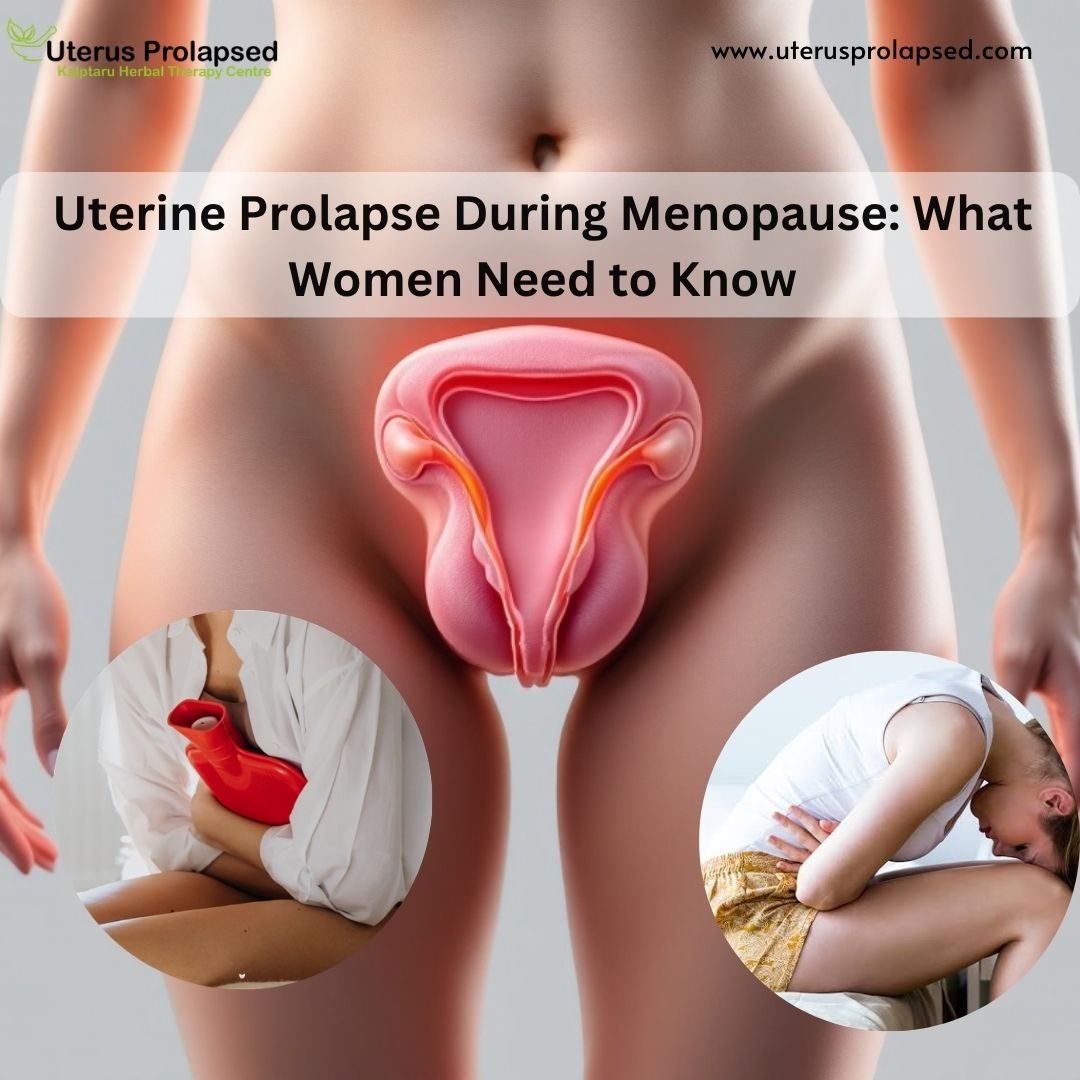
Sometimes women may experience heavy or full sensation at their lower bodies and not know what causes such sensations. In most cases, the cause of such sensations may be due to a condition called uterine prolapse. Uterine prolapse occurs when the muscles and ligaments that support the uterus weaken, causing it to fall from its usual position.
Women who have gone through childbirth, menopause, and the aging process have a high probability of experiencing uterine prolapse. Understanding the grading of uterine prolapse from Grade 1 to Grade 4 is crucial in managing the disease effectively.
What Are the Stages of Uterine Prolapse?
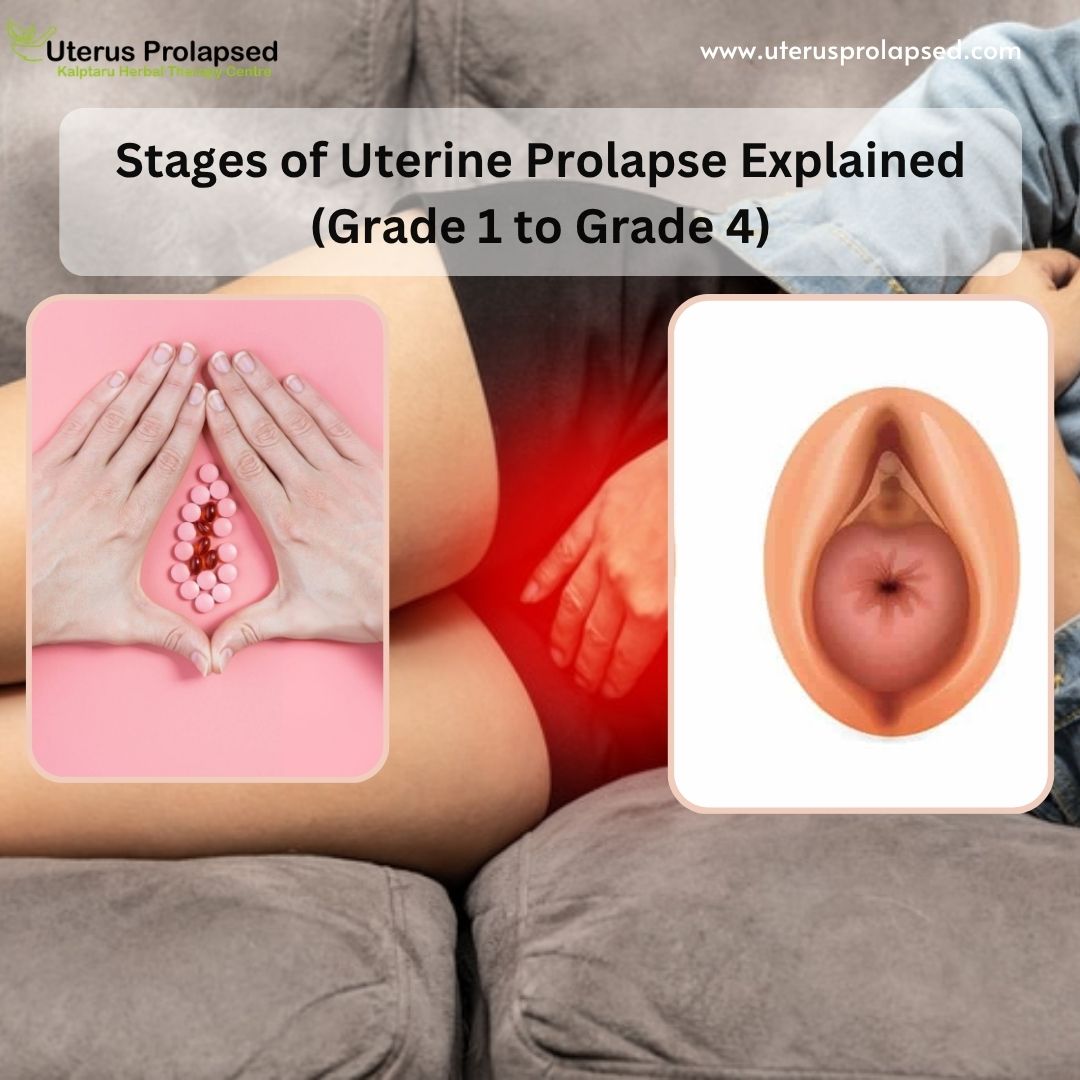
In uterine prolapse, the uterus descends from its usual anatomical location to the vaginal canal due to the weakening of the muscles and ligaments of the pelvis following pregnancy, aging, or strenuous activities. Medical professionals have categorized the extent of the condition based on the degree of descent of the uterus into four stages. The classification system will enable both women and health care practitioners to identify the severity of the condition and determine the appropriate treatment approach.
- Stage 1: The uterus slightly descends to the upper portion of the vagina. At this point, women might not notice any visible symptoms.
- Stage 2: There is more significant descent of the uterus towards the vaginal outlet, causing mild irritation or discomfort.
- Stage 3: The uterus partially protrudes beyond the vaginal outlet, causing pain when standing or walking for extended periods.
- Stage 4: The uterus totally protrudes through the vagina.
Ending Note
Uterine prolapse can get very severe if women fail to recognize its initial symptoms. This is why it becomes important for women to be aware of all its stages so that they can know when their body starts showing signs of uterine prolapse. However, many modern women search for some natural treatment options for this condition because of its permanent results. Not only symptoms but Ayurvedic treatment can heal the problem from its root.
Frequently Asked Questions
Q1. What are some symptoms associated with Grade 1 prolapse?
Ans: Women experience mild heaviness in the pelvis region and lower abdomen. Women could also suffer back pain or a feeling of pressure, but most women don’t recognize their condition.
Q2. What complications occur in Grade 3 prolapse?
Ans: Walking, sitting, or working can become problematic. Pain, vaginal dryness, irritation, and even urine leakage can affect women with Grade 3 prolapse.
Q3. How do doctors determine uterine prolapse severity?
Ans: Doctors perform a pelvic exam to assess the degree to which the uterus is descended. In some cases, other tests are conducted to assess severity.
Q4.Is there any hope for treating uterine prolapse in its early stages?
Ans: Yes, uterine prolapse in its early stages can be effectively managed with pelvic floor exercises, lifestyle changes, and clinical interventions.