


Summary: Uterine prolapse treatment depends on the stage, symptoms, and their impact on daily life. Mild cases may need monitoring, while advanced stages usually require medical evaluation.
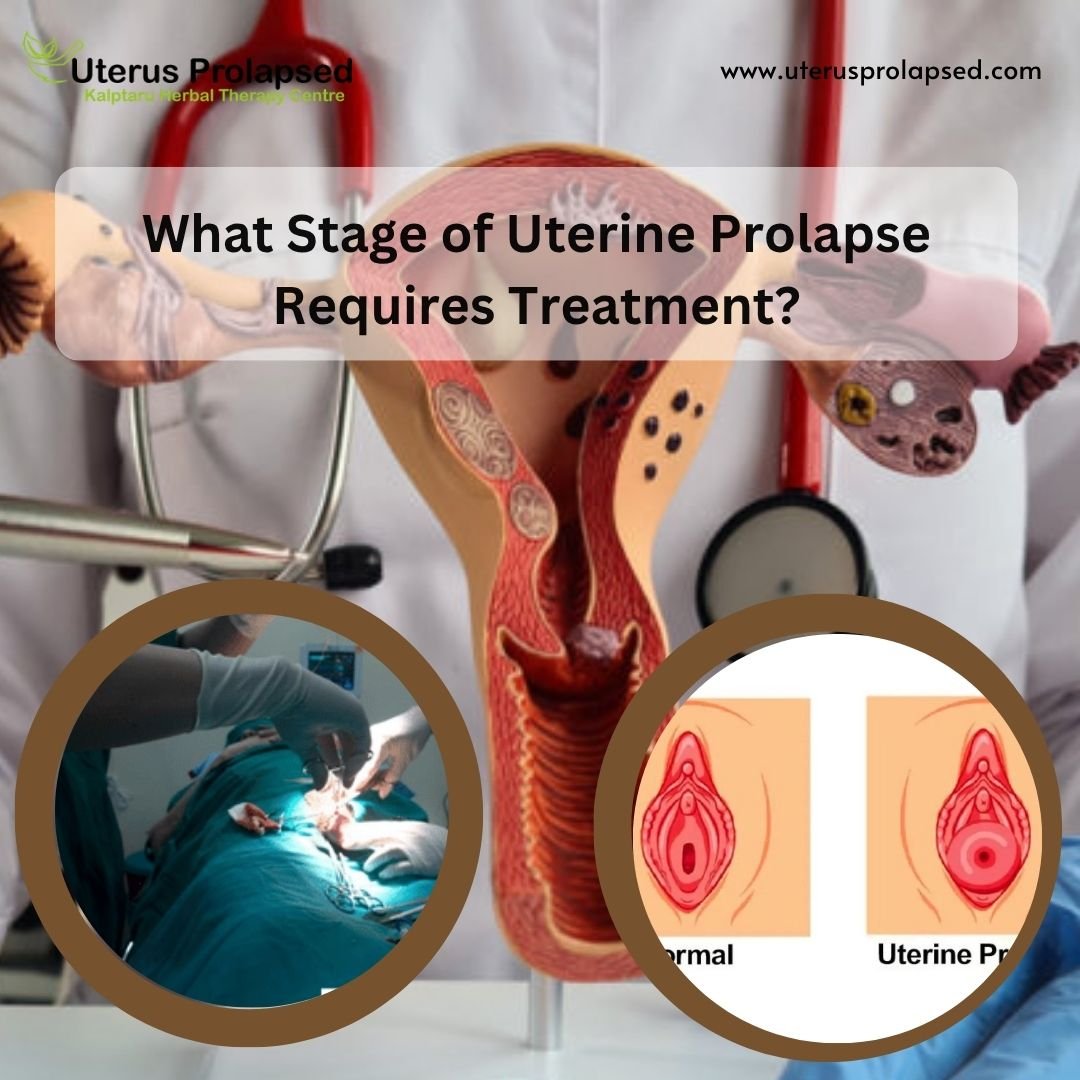
The condition of uterine prolapse happens because of the descent of the uterus into the vaginal cavity. This takes place due to weak pelvic floor muscles and surrounding tissues. It can be divided into several stages according to the severity of the descent. However, at which stage of uterine prolapse should a treatment be done?
Contents
The Stages of Uterine Prolapse
Uterine prolapse is divided into four stages:
Stage 1: Descent of the uterus into the top of the vaginal cavity.
Stage 2: Descent of the uterus to the vaginal opening or its vicinity.
Stage 3: Descent of the uterus through the vaginal opening.
Stage 4: Descent of the uterus out of the vagina, complete prolapse.
Which Stage of Uterine Prolapse Needs Medical Treatment?
Medical treatment is not based on the level only. Other factors are important, too, like symptoms or how it impacts your everyday life.
- The first level can be treated with minimal lifestyle changes if symptoms are mild or absent.
- The second level should be treated in case of discomfort or other symptoms that affect your everyday life.
- Third and fourth levels of uterine prolapse typically require Ayurvedic treatment due to the degree of the condition.
Symptoms That Might Require Treatment
Consult your doctor in case of:
- Pelvic pressure
- A visible bulge coming from the vagina
- Problems with urination or defecation
- Discomfort while walking, exercising, and during sexual intercourse
In Final Consideration
Treatment of uterine prolapse will depend on the severity of the situation, the symptoms experienced, general health and needs of the patient. The appropriate treatment of uterine prolapse is determined by Kalptaru Herbal Therapy Centre is Ayurvedic treatment.
FAQs
Q1. Does surgery have to be done in case of uterine prolapse?
Ans: No, it doesn’t need any kind of surgery to treat uterine prolapse. Ayurvedic treatment can cure the condition naturally without any side effects.
Q2. Which symptoms signify the necessity for treating uterine prolapse?
Ans: The symptoms of pelvic pressure, protrusion of vagina, urination problems, bowel problems, or pain during movement can be signs that a treatment is necessary.
Q3. Can mild uterine prolapse conditions be treated without surgery?
Ans: A mild condition can be treated without surgery by monitoring, exercising pelvic floor muscles, or Ayurvedic treatment among others methods suggested by doctors.
Q4. Can uterine prolapse become worse?
Ans: Yes, uterine prolapse can become worse especially in case of continuous weakening of pelvic floor or presence of additional abdominal pressure factors.
Q5. Can uterine prolapse affect urination?
Ans: Yes, the uterine prolapse affects the process of urination.