


Summary: Uterine prolapse during menopause can result from weakened pelvic muscles and declining estrogen levels. Recognizing symptoms early and seeking medical guidance can support effective management.
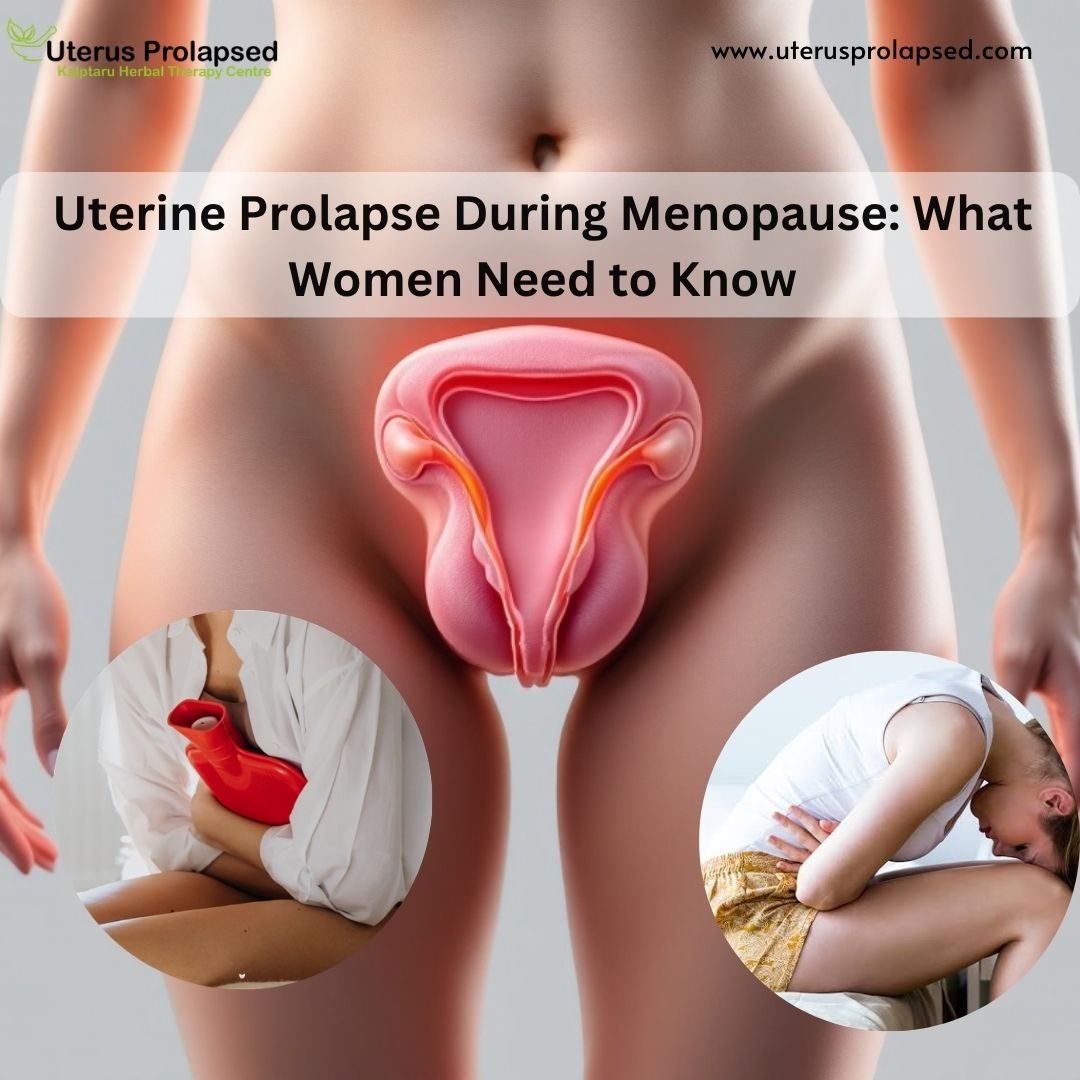
This medical condition is characterized by the descending of the uterus and pressing of the organ on the walls of the vagina or moving towards it. The risk of uterine prolapse increases during menopause because of the physiological changes in the body of a woman. Learning about the symptoms will help women recognize the disease and start treatment on time.
Why Do Women Suffer from Uterine Prolapse More Often During Menopause?
As menopause comes, estrogen production decreases. Estrogen is responsible for the elasticity of pelvic tissues. If these tissues lose their strength, they become incapable of supporting the uterus properly. The other factors which contribute to uterine prolapse are:
- Old age
- Vaginal delivery before
- Overweight
- Chronic cough or constipation
- Heavy lifting often
Symptoms of Uterine Prolapse
Depending on how severe the prolapse is, symptoms will differ. Symptoms include:
- Feeling heavy or having a sensation of pressure in the pelvic area
- Bulging or feeling as if something is falling out through the vagina
- Back pain or pain in the pelvis
- Incontinence problems such as leaking urine
- Pain during normal activities or sex
The Concluding Remarks
Menopause-induced uterine prolapse is treatable. Identifying the symptoms early on and consulting with Kalptaru Herbal Therapy Centre will enable women to make appropriate choices regarding their pelvic health. We provide the best Ayurvedic treatment to cure the condition without any side effects.
FAQs
Contents
Q1. Does menopause put you at greater risk for uterine prolapse?
Ans: Yes, estrogen loss from menopause may result in weakening of the pelvic muscles and put women at risk of developing uterine prolapse.
Q2. What is the initial sign of uterine prolapse?
Ans: Initial signs might be a sensation of pelvic pressure or weight, lower back pain, changes in urination or presence of a bulge in the vaginal area.
Q3. Is uterine prolapse linked to urine issues?
Ans: Yes, symptoms of uterine prolapse include urine leakage, frequent urination, difficult bladder emptying, or recurrent urination problems.
Q4. Is uterine prolapse a painful condition?
Ans: Uterine prolapse is not necessarily associated with pain. Some women have pelvic pressure or discomfort, lower back pain, or irritation.
Q5. Does uterine prolapse impact sexual activity?
Ans: Yes, some women may experience pelvic pressure, pain during sex, or even psychological concerns.