


A lot of women experience changes after menopause. But they just ignored it because they think small changes can’t harm their body. After some time, these small changes turn out to be something that they never imagined. Weakness of pelvic floor, trouble during movement, and discomfort, these can be signs of pelvic organ prolapse.
At first, many women dealt with it but over time the pain became unbearable. That’s how menopause can turn out to be a major risk for pelvic organ prolapse. Let’s know more about it.
The Silent Impact of Menopause on Pelvic Health
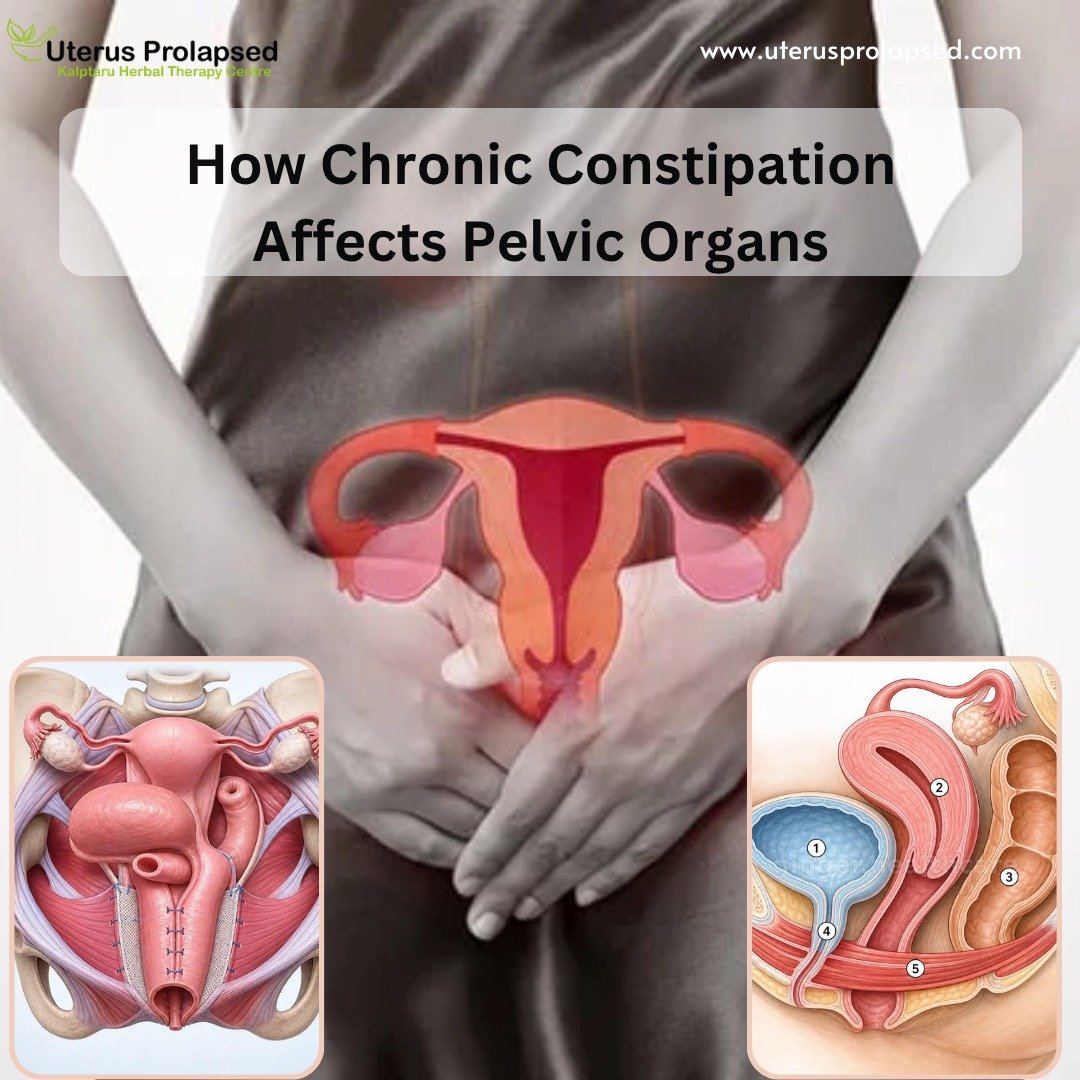
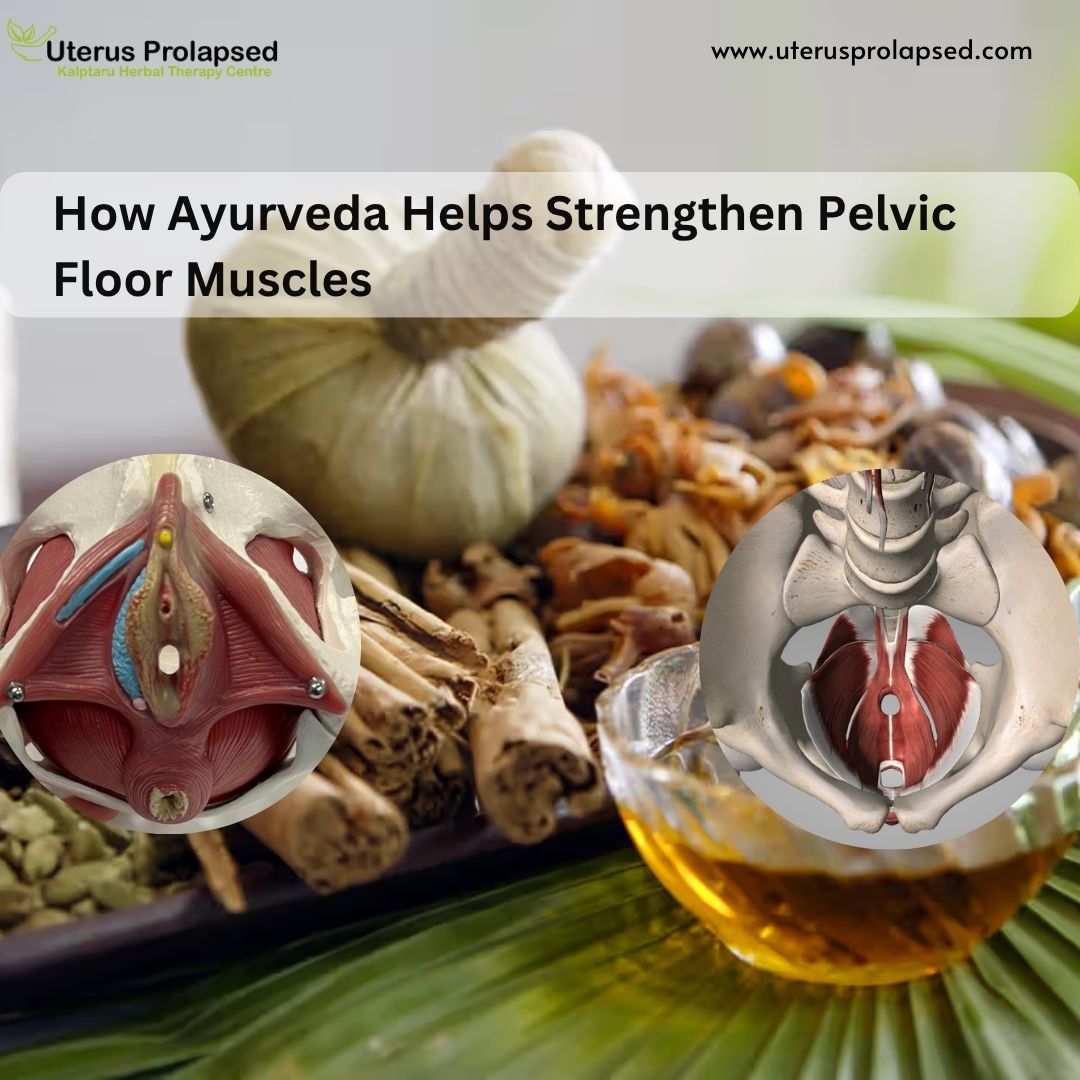
As women grow older, their body starts showing signs that something is wrong. And, the signs become more visible after the menopause. Pelvic floor weakens and estrogen level drops which can lead to uterus prolapse like medical conditions. In this case, estrogen plays an important role because it can help to maintain the elasticity and muscle strength.
Aging is also the reason behind the reduction of collagen along with hormonal changes. Collagen helps the connective tissue to stay in place and supportive around pelvic organs. It can be difficult to hold the pelvic organ properly like before if muscles get weak and collagen reduces.
How to Prevent It?
There are several ways you can manage the condition and prevent it to become worse. Some ways are:
- Doing pelvic floor exercises
- Changes in lifestyle
- Avoid heavy lifting
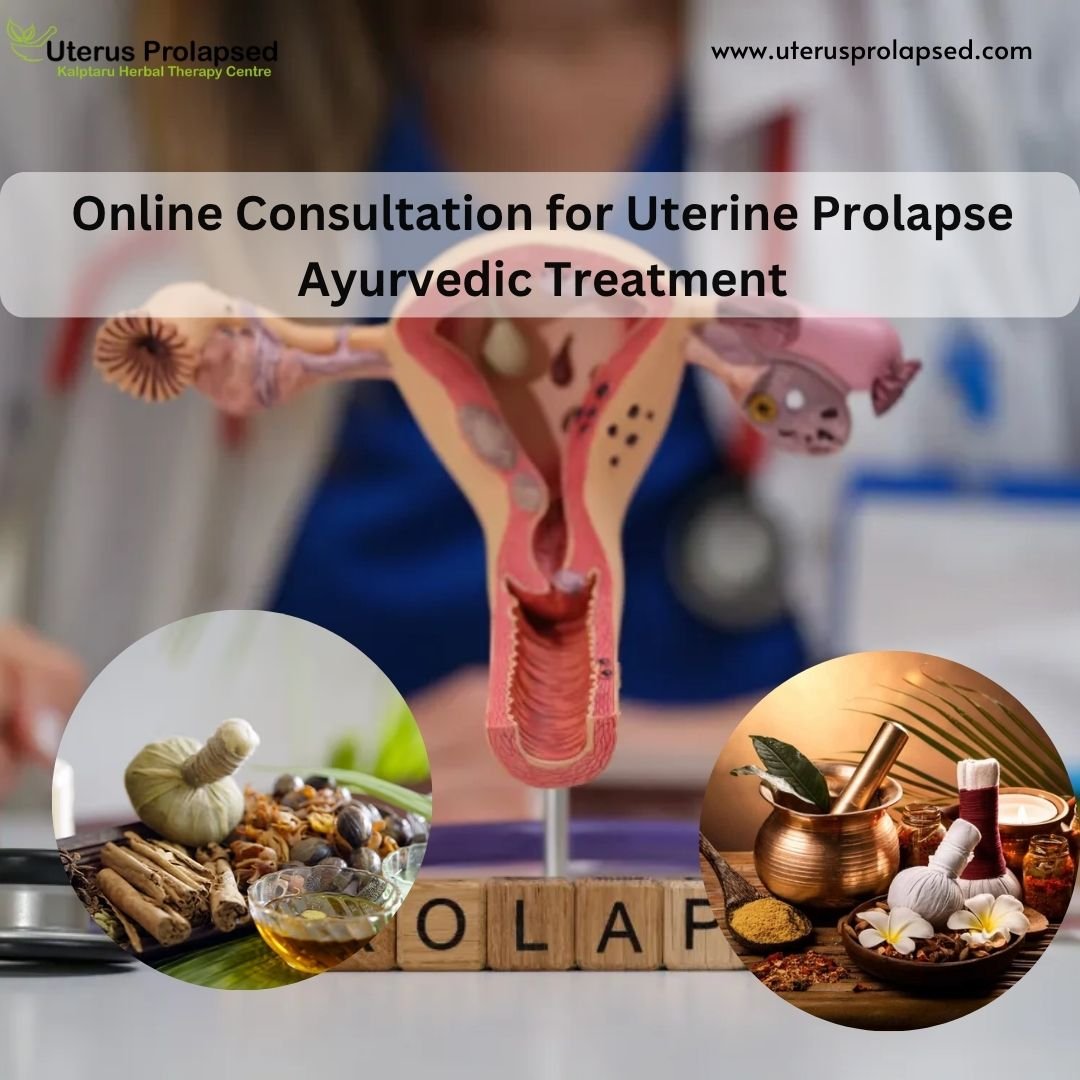
- Taking Ayurvedic treatment
To Wrap Up
Menopause is one of the natural phases that happens in a woman’s life. But, it can lead to pelvic organ prolapse and also increases the risk. Doing exercises, eating a proper diet, and taking Ayurvedic treatment can be beneficial. You can find the best Ayurvedic treatment in India only at Kalptaru Herbal Therapy Centre. Contact us now and take leverage.
Questions That Are Frequently Asked
Q1. What are the signs of a prolapse of pelvic organs?
Ans: The patient feels pressure and heaviness in the pelvis, pain while walking, urinary incontinence, and even swelling around the vagina.
Q2. Is it possible to prevent prolapse of the pelvic organs naturally?
Ans: Yes, you can use natural ways such as doing regular pelvic floor exercises, managing your weight, and refraining from carrying heavy weights.
Q3. Is pelvic organ prolapse harmful to health?
Ans: Pelvic organ prolapse is considered a non-life-threatening disease, but it is still extremely uncomfortable for patients and can significantly worsen their quality of life.
Q4. What is the role of estrogen in pelvic health?
Ans: Estrogen supports proper muscle strength and flexibility of tissues, as well as maintains appropriate support of the pelvic organs. After menopause, low estrogen levels pose a high risk of prolapse.