


Summary: A prolapsed uterus is a manageable condition that affects quality of life but is curable. Early diagnosis, proper care, and treatment options help women regain comfort, health, and daily normal activities.
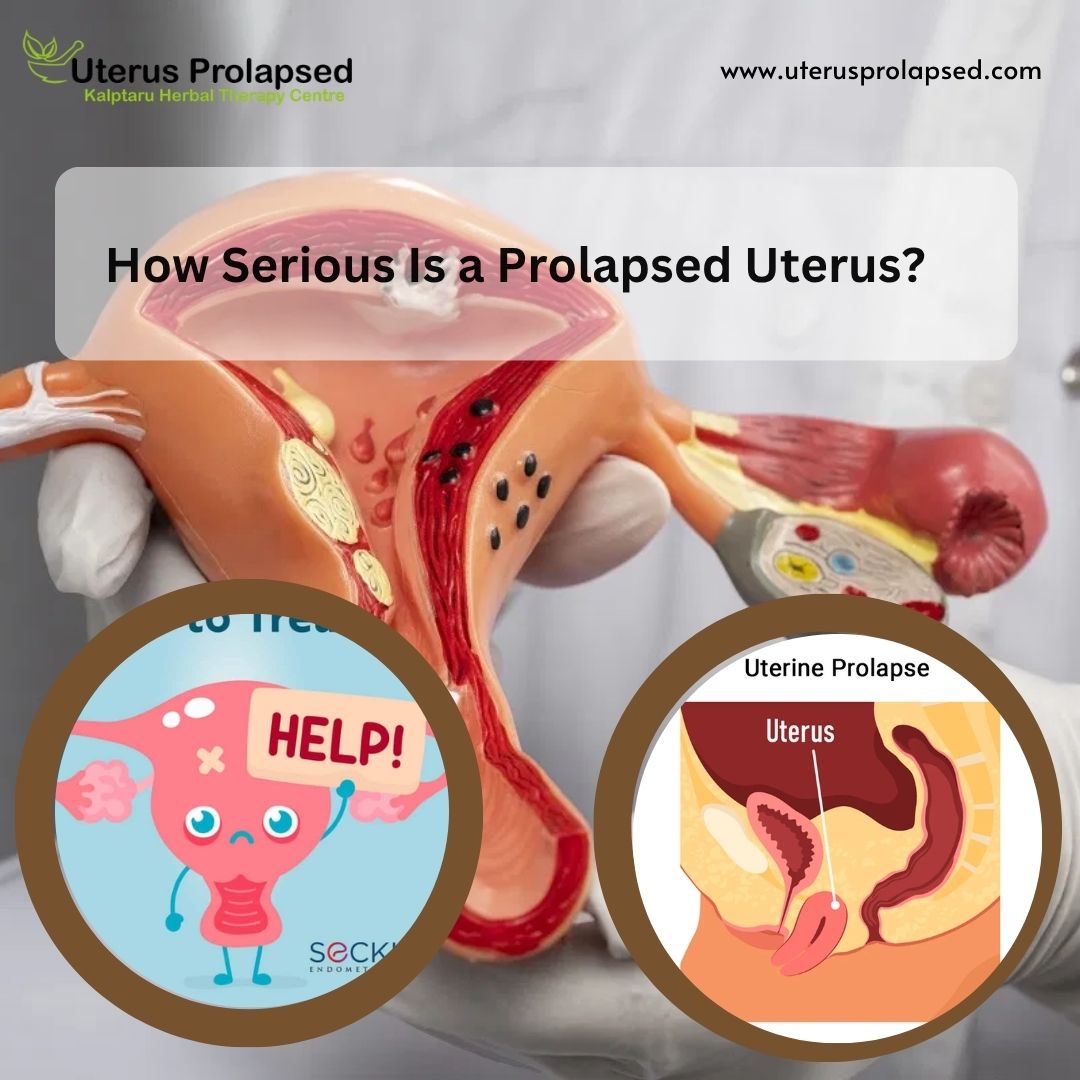
Everyone thinks a condition like a prolapsed uterus is a serious condition, but it is not. While if it is left untreated it can become a serious quality-of-life issue. Many women can’t openly speak about it because of embarrassment. In this web blog, we will answer one of the serious questions. So, stay with the web blog till the end.
Is Prolapsed Uterus Really A Serious Condition?
A prolapsed uterus can happen to any woman at any age. It can be caused due to various reasons such as child birth, obesity, and weak muscles and tissues. Many women ask similar questions: “Is the uterus prolapsed a serious problem?” Our answer is no, it is not. But yes, if you leave it like this it can affect your daily life and cause discomfort.
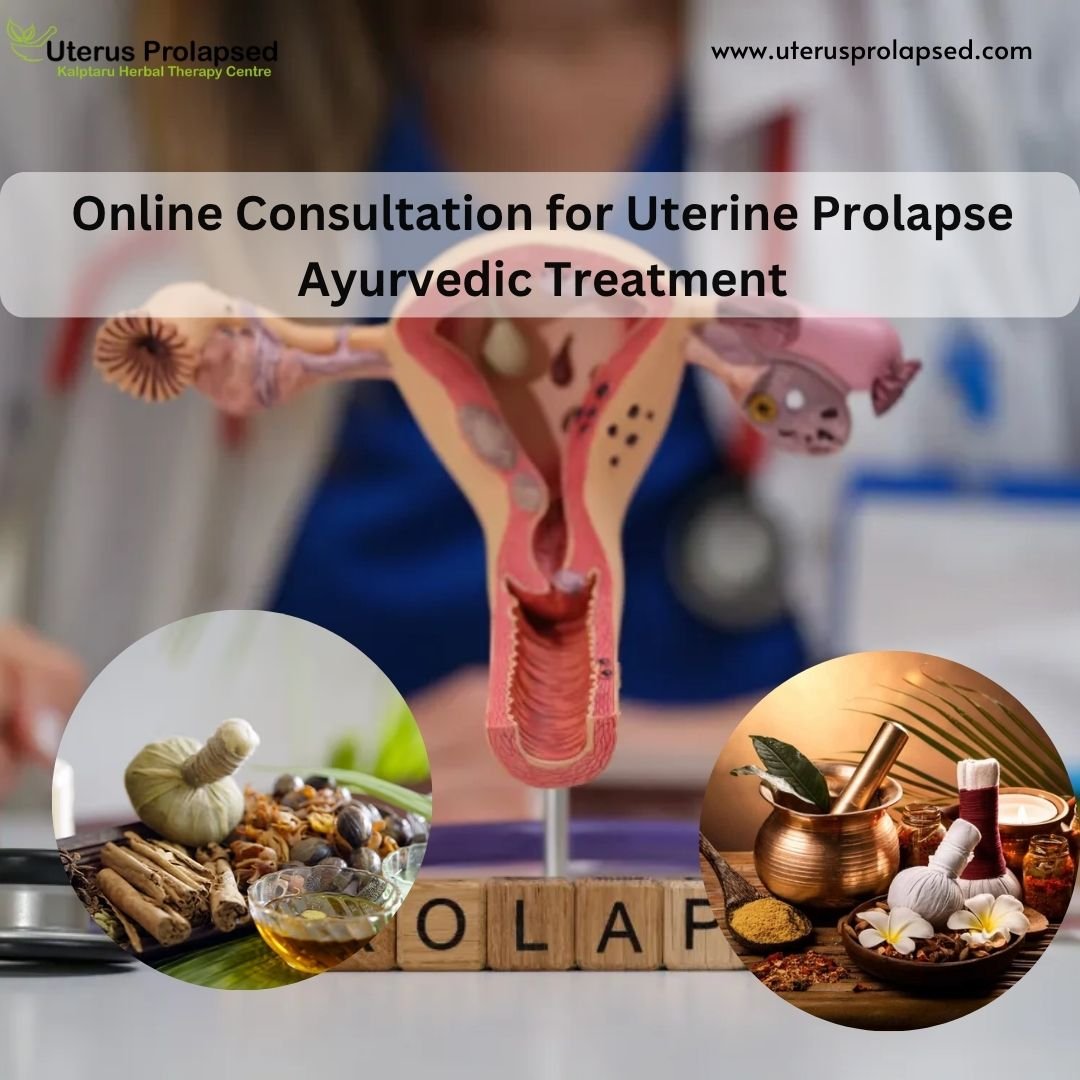
However, like any other condition, a prolapsed uterus can also be treated. According to studies and researchers, it has been proved that this condition can be cured with Ayurvedic treatment without any side effects. Ayurvedic treatment is a natural medical approach and use herbs to improve the weakened muscles and tissues.
Final Thoughts
A prolapsed uterus is not a serious condition which people make it. It can be cured with Ayurveda and some adjustment to your daily lifestyles. Furthermore, if you take Ayurvedic treatment, then you will be free from any kind of side effects and any chances of recurrence. Contact Kalptaru Herbal Therapy Centre and try it by yourself.
Questions That Are Frequently Asked
Q1. What causes uterine prolapse?
Ans: Main causes include childbirth, obesity, aging, and weakened pelvic floor muscles that fail to support the uterus properly over time together.
Q2. Is uterine prolapse serious?
Ans: Uterine prolapse isn’t immediately life threatening but can significantly impact comfort, daily functioning, and long term health if ignored.
Q3. Can uterine prolapse be prevented?
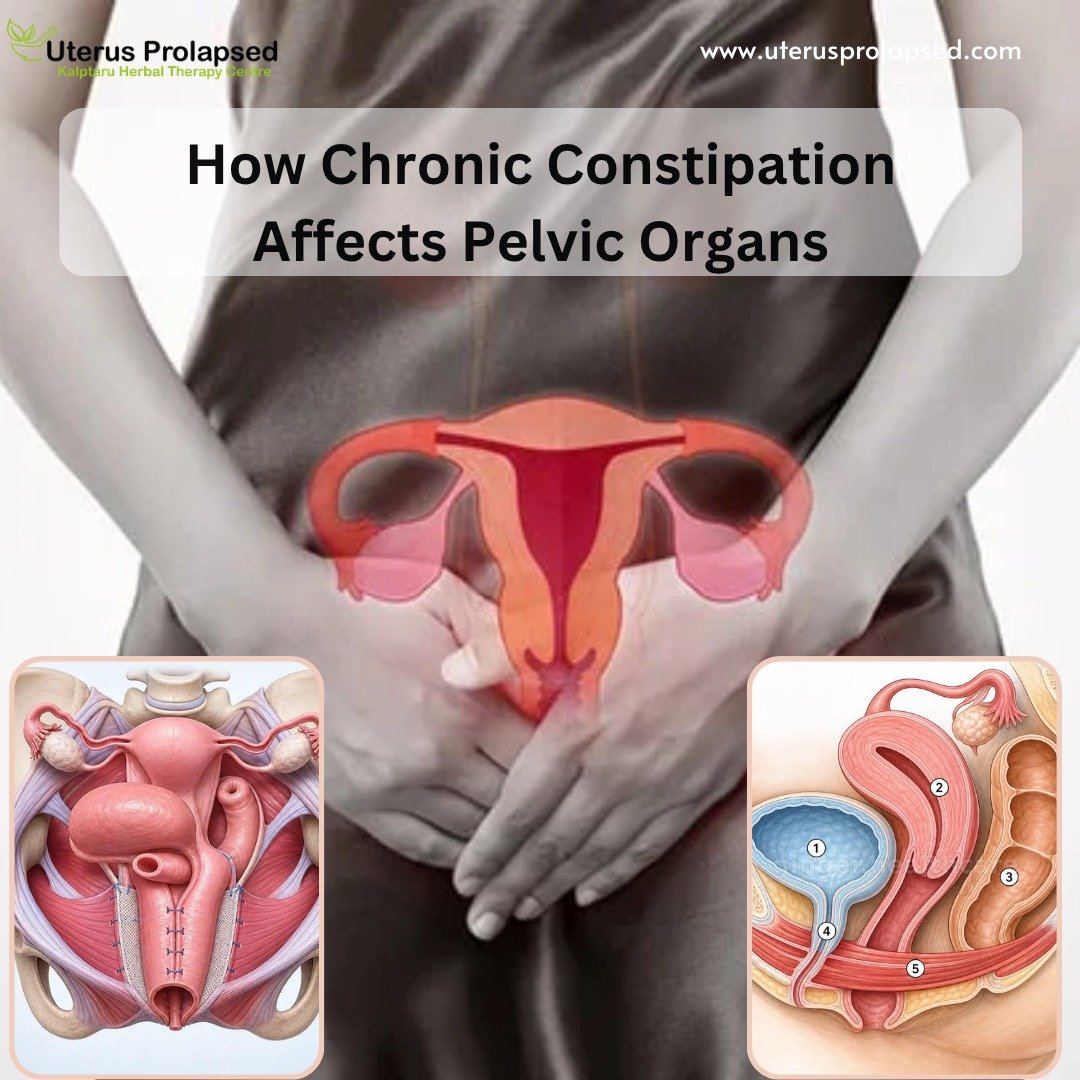
Ans: Prevention includes maintaining healthy weight, performing pelvic floor exercises, avoiding heavy lifting, and managing chronic cough or constipation effectively regularly.
Q4. How is it diagnosed?
Ans: Doctors diagnose uterine prolapse through pelvic examination, symptom evaluation, and sometimes imaging tests to assess severity accurately in clinical practice.
Q5. Who is at risk?
Ans: Women who have multiple vaginal deliveries, are older, obese, or have weak pelvic muscles are at higher risk generally overall.