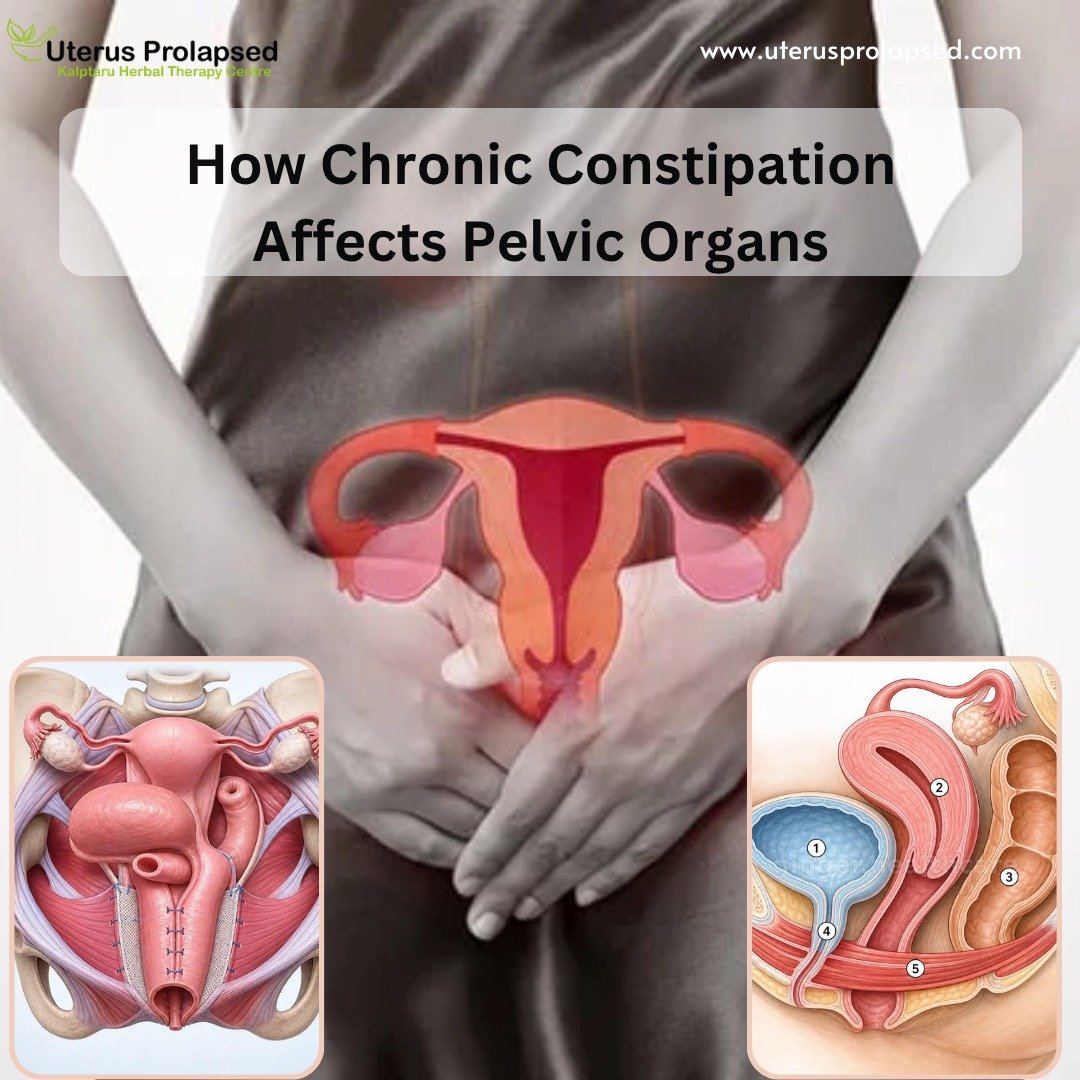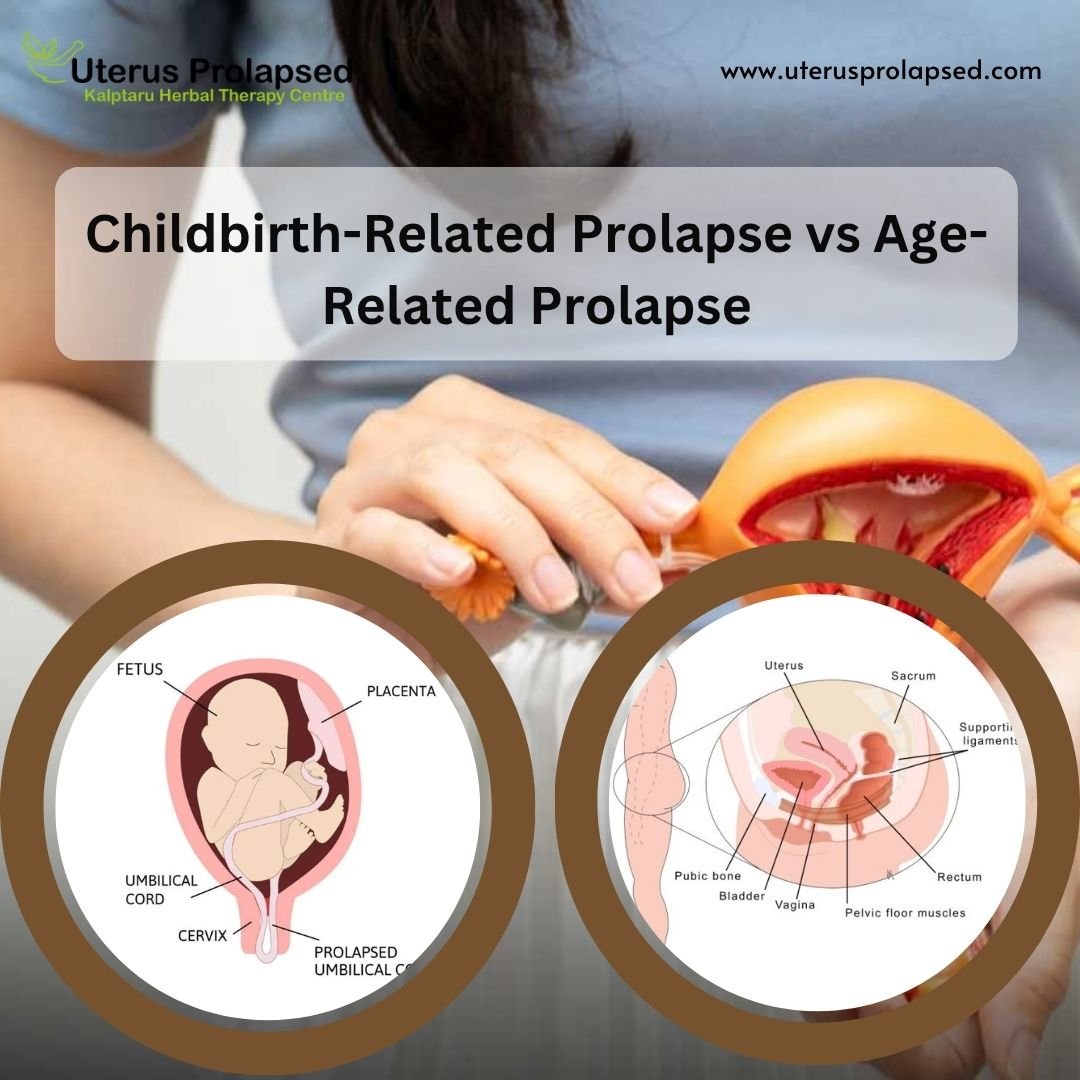




Summary: Uterine prolapse, rectocele, and cystocele are pelvic organ prolapse conditions where weakened pelvic muscles cause the uterus, rectum, or bladder to shift, creating vaginal bulges. Understanding their differences helps women seek timely, appropriate treatment.
Do you know? Millions of women across the world are suffering from different forms of Pelvic Organ Prolapse (POP). They are said to be the common pelvic floor disorder that every woman has experienced once in their lifetime. Suffering patients can’t discuss their condition because of embarrassment. So that’s why, we will explain the difference between them to get necessary treatment on time.
Uterine Prolapse, Rectocele, and Cystocele: What Makes Each One Different?
| Condition | Uterine Prolapse | Rectocele | Cystocele |
| What It Is | The uterus slips down from its normal position because pelvic muscles become weak. | The wall between the rectum and vagina becomes weak and the rectum pushes into the vagina. | The wall between the bladder and vagina becomes weak and the bladder drops into the vagina. |
| Which Organ Moves Down | Uterus | Rectum | Bladder |
| Where the Bulge Appears | Into the vagina | Bulge in the back wall of the vagina | Bulge in the front wall of the vagina |
| Common Symptoms | Feeling of heaviness in pelvis, tissue coming out of vagina, lower back pain, discomfort when walking or sitting | Difficulty passing stool, feeling of incomplete bowel movement, need to press the vagina to pass stool | Frequent urination, urine leakage, difficulty emptying bladder, pelvic pressure |
Epilogue
Uterine prolapse, rectocele, and cystocele all are pelvic organ prolapse. All the cases are the conditions where women feel something is bulging out from their normal position. Learning about their differences makes things easy to choose proper treatment, so that condition can’t get worse.
Questions That Are Frequently Asked
Q1. What are the differences between these three conditions?
Ans: The difference between these three conditions is that the uterus is affected in the case of prolapse, the rectum is affected in the case of rectocele, and the bladder is affected in the case of cystocele. These are all caused by weak pelvic floor muscles.
Q2. What are the common symptoms of all three?
Ans: The common symptoms of all three are pelvic pressure, difficulty urinating or passing stools, and pain during daily activities.
Q3. Can Ayurveda help treat these pelvic health issues?
Ans: Yes, Ayurveda helps treat these issues by taking herbs to tone the pelvic floor muscles and balance the Vata dosha.
Q4. Who is at the greatest risk of developing these health issues?
Ans: Women who have had multiple pregnancies, struggled with giving birth, have constipation, are overweight, and are going through menopause are the greatest risk.