


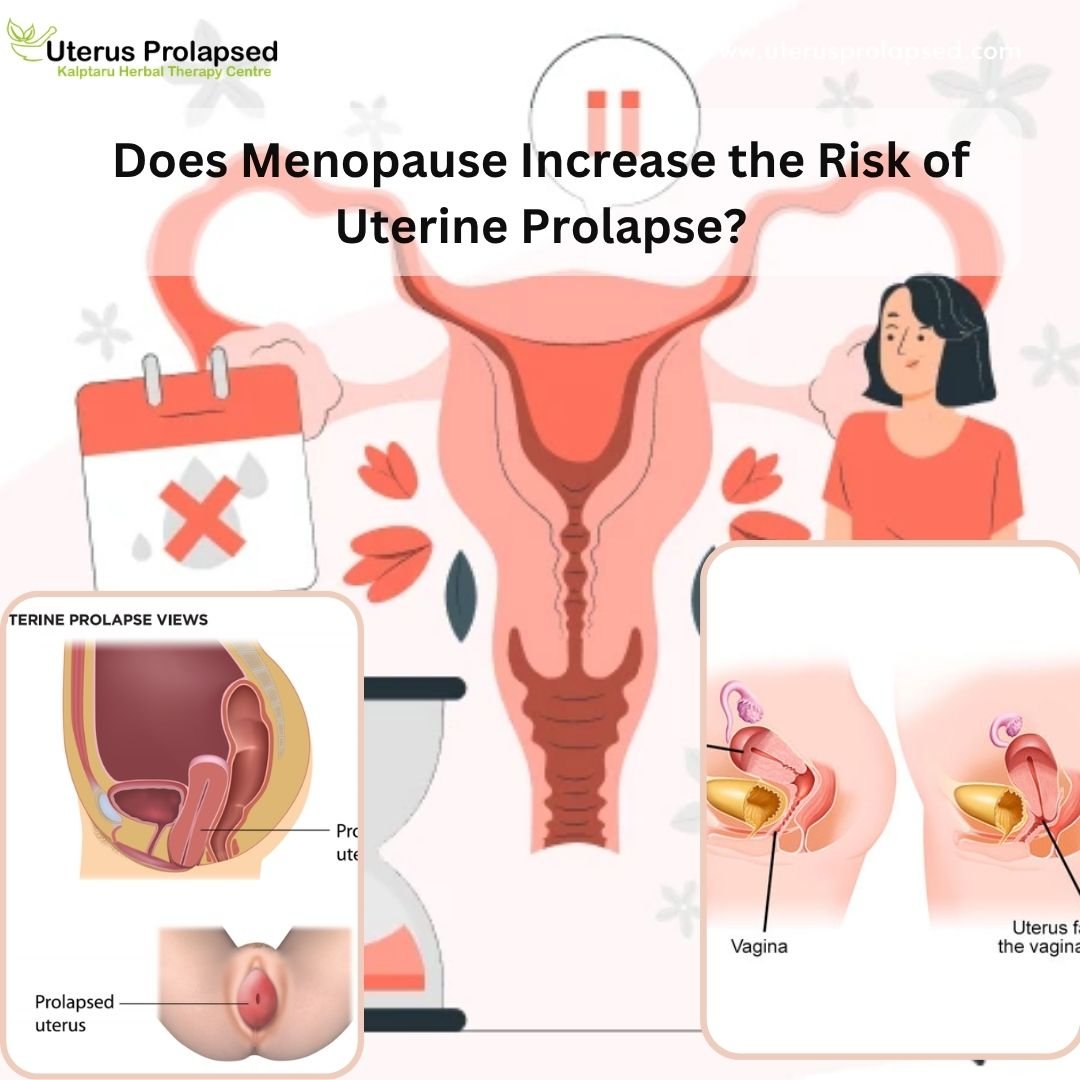
Summary: Menopause doesn’t directly cause uterine prolapse, but hormonal changes and aging can weaken pelvic support. Understanding the risks, recognizing symptoms early, and seeking timely care can help maintain long-term pelvic health and improve quality of life.
Menopause certainly causes many changes, but it is perfectly normal to be worried about whether any of them have been associated with your health problems such as uterine prolapse. Uterine prolapse is caused by uterus displacement because of weak pelvic muscles. While menopause itself does not cause uterine prolapse, it may make one more vulnerable to it.
How Does Menopause Increase the Risk of Uterine Prolapse?
Menopause does not cause uterine prolapse directly, but it causes a condition that makes it possible for prolapse to occur by weakening the pelvic muscles over time. With the aging process and the hormone fluctuations that come with it, the muscles that support the uterus can become less strong and flexible. This can increase the chances of prolapse developing.
- Low Estrogen: The hormone is crucial for keeping pelvic muscles and connective tissues healthy and strong. Menopause leads to reduced estrogen, which makes the pelvic muscles weak.
- Weakness in Pelvic Floor Muscles: As women age, their muscles become weaker.
- Decreased collagen production: With menopause comes the reduction in collagen production, which leads to decreased elasticity of the pelvic muscles.
- Physical Exertion Through the Years: Constant strain from lifting heavy objects or chronic coughing over the years can weaken pelvic support.
- Having Given Birth Vaginally in the Past: Childbirth stretches the tissues around the uterus, making them vulnerable to prolapse.
To Wrap Up
While menopause could lead to uterine prolapse, the risks can be reduced through proper medical intervention and maintaining a healthy lifestyle. For any assistance that you might need, you can reach out to our professionals at Kalptaru Herbal Therapy Centre for guidance on how best to cure your pelvic health through herbal treatment.
FAQs
Q1. Could menopause lead to uterine prolapse?
Ans: Menopause itself cannot lead to uterine prolapse; however, hormones and aging may affect the pelvic area and increase the chances of this condition occurring.
Q2. What are the signs of uterine prolapse following menopause?
Ans: The most common signs include pelvic pressure, feeling of heaviness in the vagina, pain in the lower back, urinary incontinence, and feeling of something falling inside.
Q3. Does estrogen deficiency affect the pelvic floor?
Ans: Estrogen deficiency may affect the pelvic floor by lowering the elasticity and strength of the tissues, making the muscles of the pelvic area vulnerable.
Q4. Do all menopausal females experience uterine prolapse?
Ans: All menopausal females do not develop prolapse, although age, childbirth, being overweight, heredity factors, and continuous pressure can make one prone to prolapse.
Q5. Is there pain associated with prolapse during menopause?
Ans: There are cases where women have experienced pain; while there are some who do not experience any despite having the symptoms of prolapse.