

Summary: Early uterine prolapse signs include pelvic pressure, vaginal bulging, lower backache, urinary changes, bowel difficulties, and discomfort during intercourse. Recognising symptoms early supports timely diagnosis and appropriate treatment.
The sensation of heaviness in the pelvic region, while being harmless on its own, might indicate the development of uterine prolapse. Being aware of the early signs will help you react promptly and find the necessary information about how to proceed.
Early Signs You Shouldn’t Ignore
Uterine prolapse is defined as the weakening of the tissues and muscles that keep the uterus in place. Although symptoms may appear trivial at first, they shouldn’t be taken lightly:
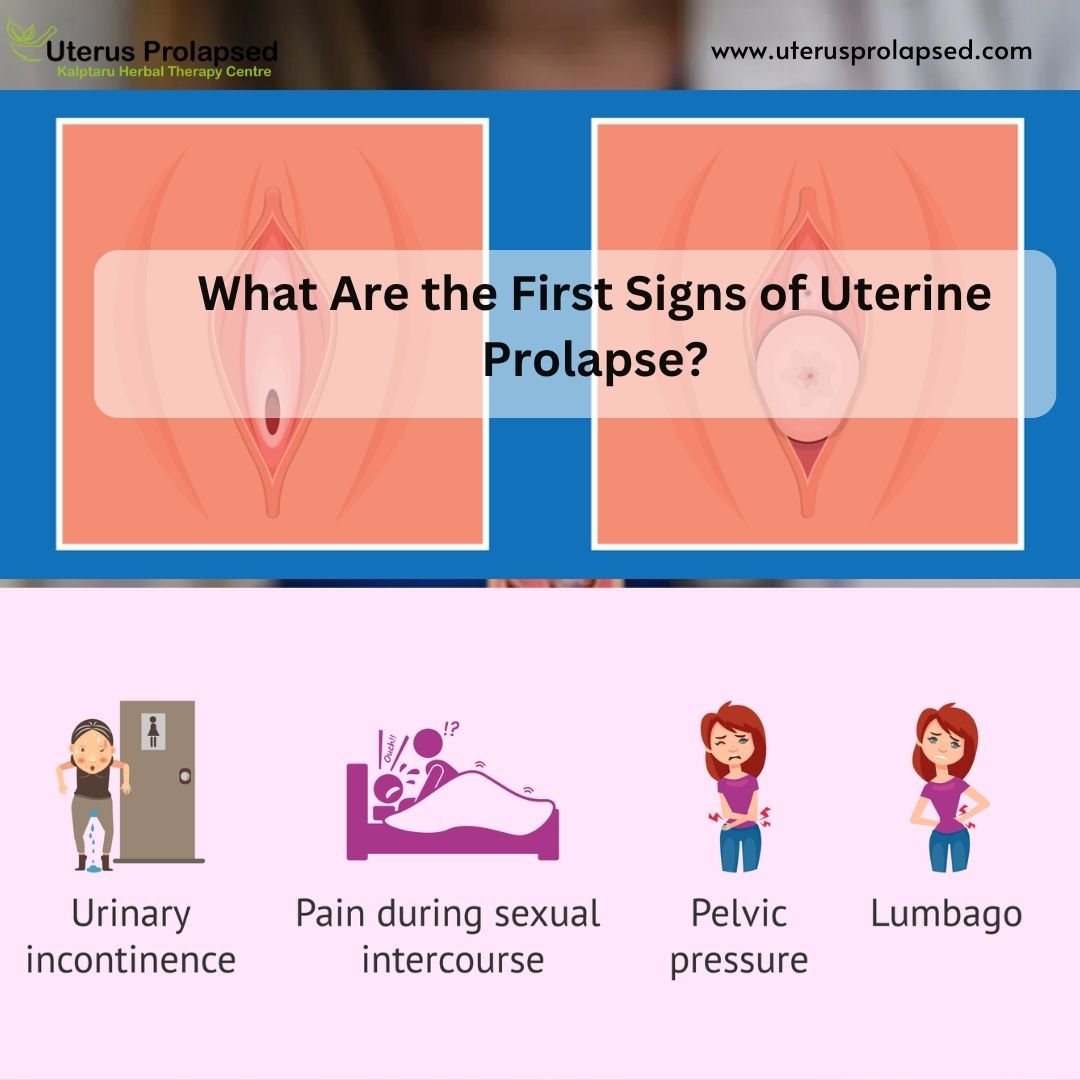
- Pelvic Pressure: There may be a sensation of having pressure in your pelvic region.
- Vaginal Prolapse: There may be a presence of tissue bulging down into the vagina.
- Back Pain: You may feel pain in your back region, especially when standing for long periods.
- Urinary Issues: There may be issues such as urine leakage, frequent urination, or inability to urinate.
- Bowel Issues: You may have constipation or difficulty defecating.
- Sexual Issues: Sexual intercourse may cause discomfort for you.
Final Wordings
Uterine prolapse can be treated, and early evaluation may help you figure out what is going on. You can contact Kalptaru Herbal Therapy Centre if you experience symptoms such as pelvic pressure, bulge, and bladder or bowel dysfunction. Early evaluation may help you choose an appropriate Ayurvedic treatment option.
FAQs
Q1. What does uterine prolapse feel like?
Ans: The feeling that could describe uterine prolapse is pressure or heaviness in the vagina, or the sensation of something falling out. These symptoms can intensify when standing, walking, or being physically active.
Q2. Can uterine prolapse cause a vaginal bulge?
Ans: Yes. With progressive prolapse, there is a possibility that a woman might experience or feel a soft bulge in the vagina or close to the vaginal opening, especially after standing for a long time or engaging in physical activities.
Q3. Does childbirth increase the risk of uterine prolapse?
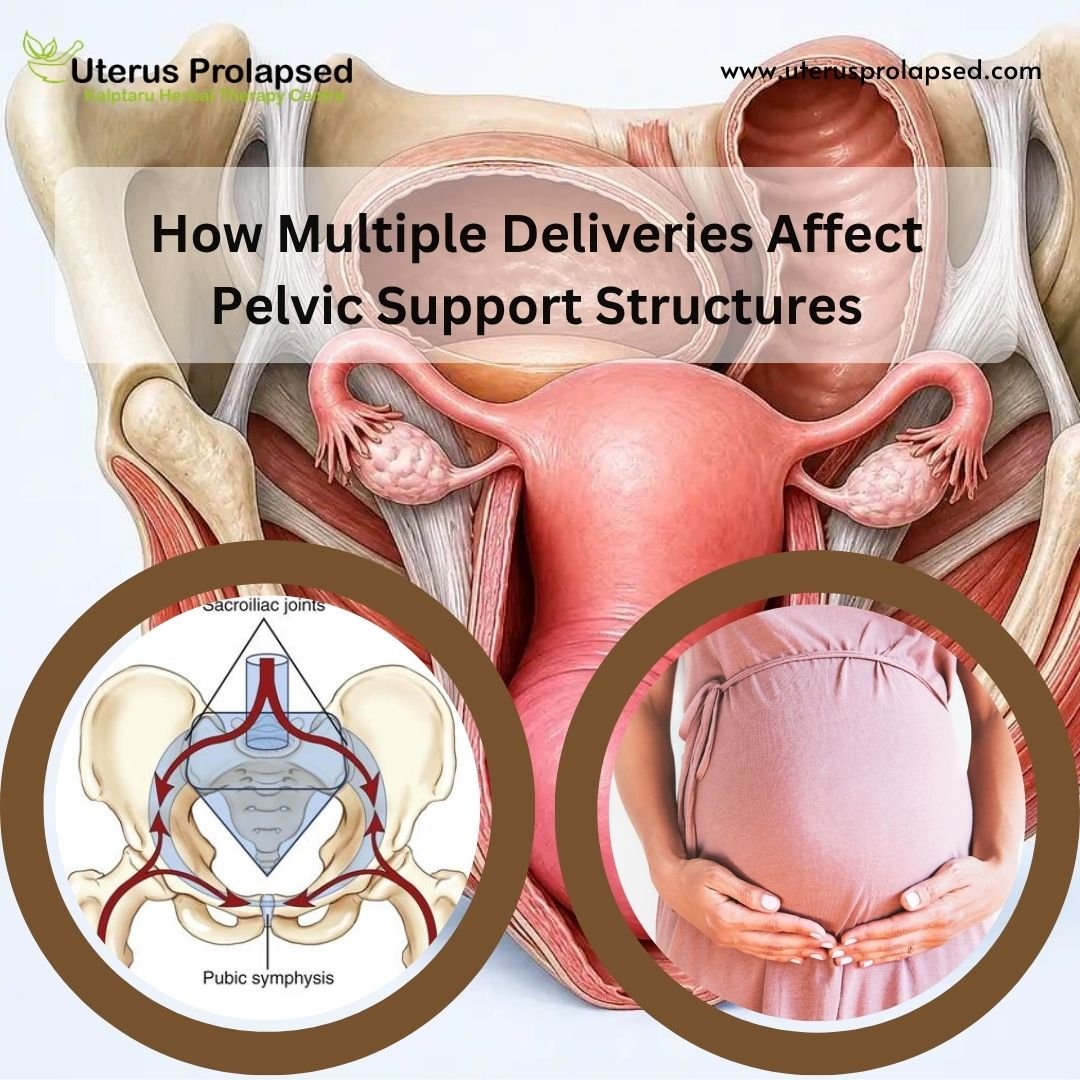
Ans: A vaginal birth could potentially cause stretching and weakening of muscles and tissues that support the uterus. The number of births, complications during delivery, and bigger babies might contribute to this.
Q4. How is uterine prolapse diagnosed?
Ans: A diagnosis of uterine prolapse is typically made by conducting a pelvic examination and assessing symptoms.
Q5. Do pelvic floor exercises help with uterine prolapse?
Ans: Pelvic floor exercises build strength in supporting muscles and may help with symptoms, especially in the case of mild prolapse.